HomeBlogBlogWhat Tools Should You Keep in Your Car?

What Tools Should You Keep in Your Car?

What Tools Should You Keep in Your Car?

What Tools Should You Keep in Your Car?

Nathan Brown · 6 min

What Tools Should You Keep in Your Car?

Start with a Tire-Changing Kit

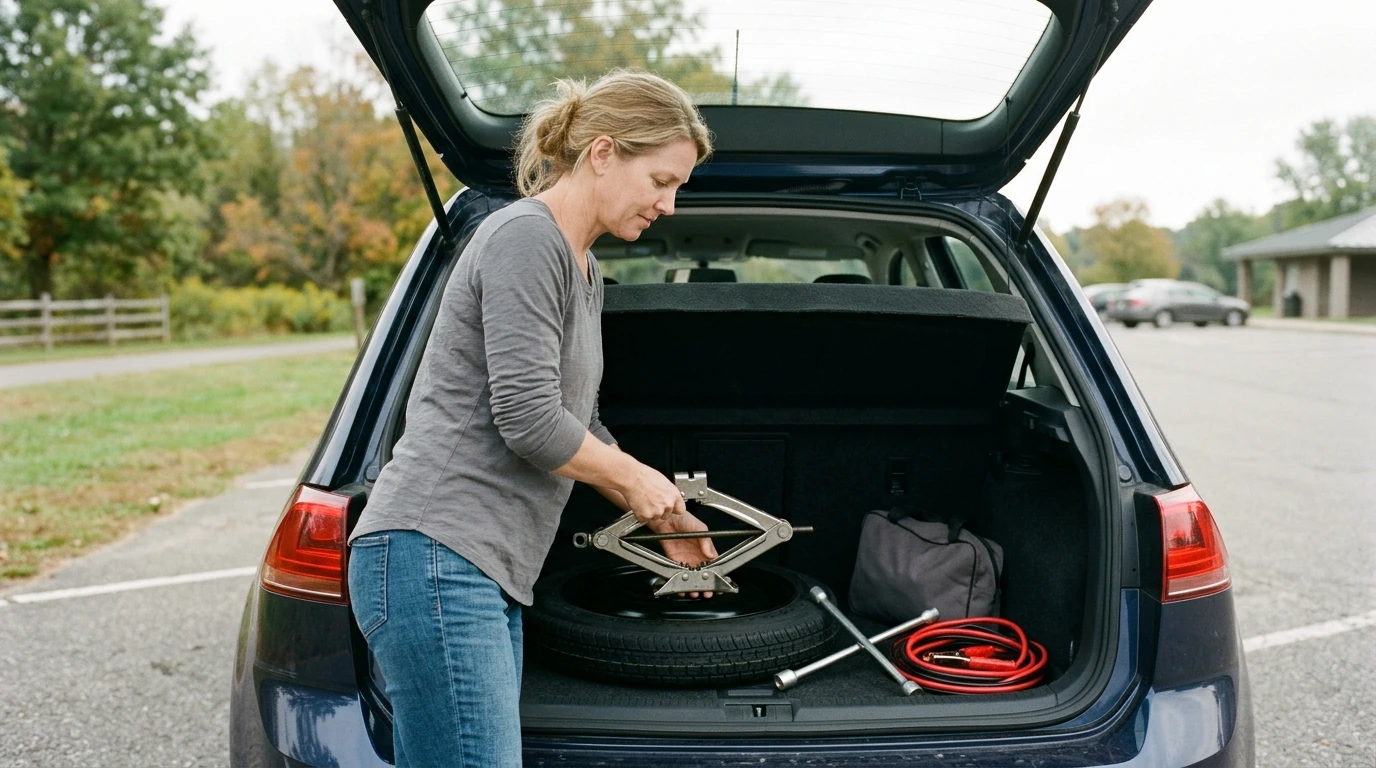
Keep a spare tire, a jack, and a lug wrench in your car, and make sure the jack and wrench fit your vehicle and wheel fasteners; if your wheels use locking lug nuts, carry the matching key as well. Check the spare’s pressure periodically and learn where your vehicle’s designated jacking points are before you need them.

A tire-pressure gauge and a portable inflator are useful for spotting and addressing low pressure before it becomes a larger problem. If you use a tire-repair kit or sealant instead of a spare, understand its limitations and follow the vehicle and product instructions; it is not a fix for every puncture or damaged tire.

What Tools Should You Keep in Your Car?

Prepare for a Dead Battery and Minor Repairs

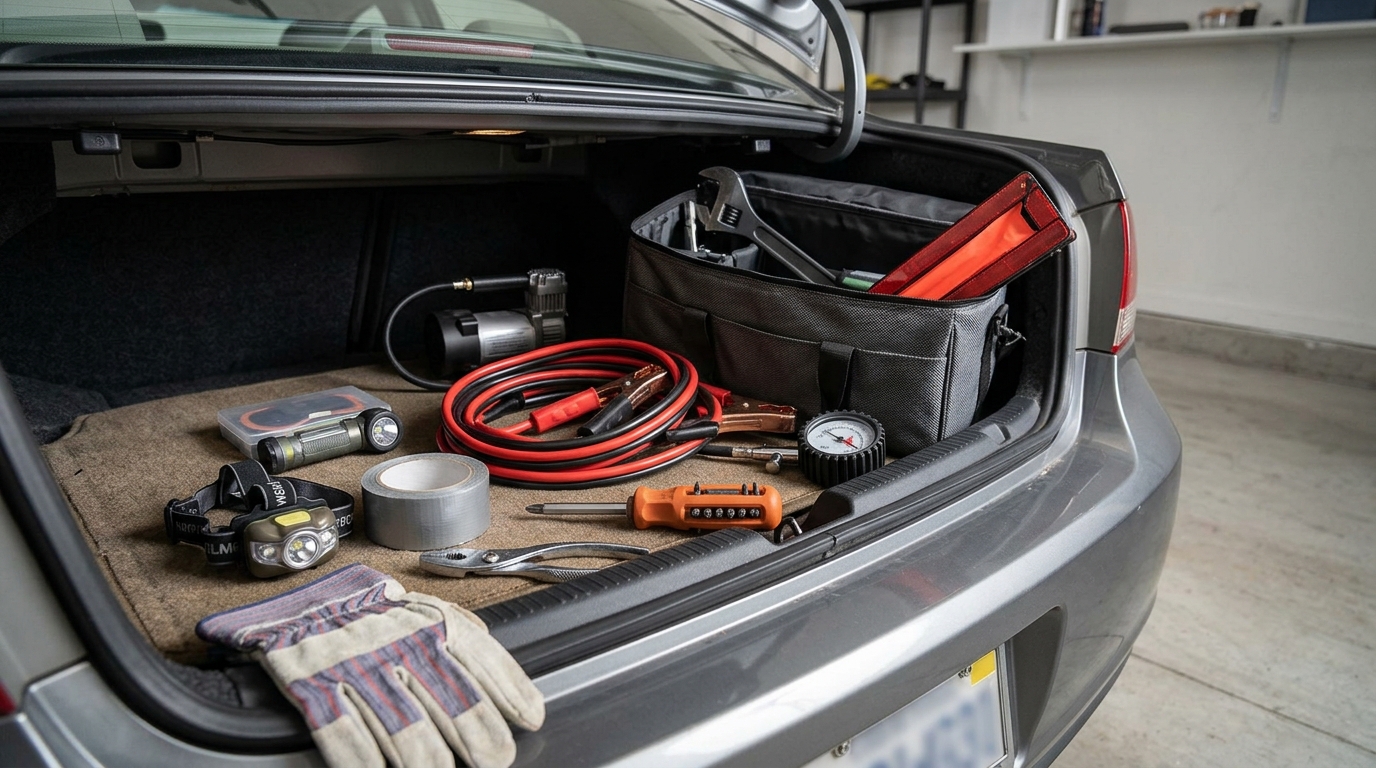
Jumper cables or a portable jump starter can help when a battery is discharged, while a flashlight makes it easier to see connections and work safely in the dark. Learn the correct jump-starting procedure for your vehicle, and keep a jump starter charged according to its instructions so it is ready when you need it.

For minor adjustments, carry a basic set of screwdrivers, pliers, an adjustable wrench, and work gloves, along with duct tape and a few zip ties for temporary fixes. These supplies can help you secure a loose item, but they are not substitutes for professional repairs to brakes, steering, electrical systems, or other safety-critical components.

Featured in this guide

Basic Tools to Keep in Your Car: Essential eBook Guide for Roadside Safety and Preparedness

View product

Add Safety and Emergency Supplies

A reflective warning triangle or roadside flares can help alert approaching drivers if you break down, and a high-visibility vest can make you easier to see when you must leave the vehicle. If possible, pull well away from traffic before stopping, turn on your hazard lights, and follow local rules and product instructions when placing warning devices.

We also recommend carrying a first-aid kit, drinking water, a phone charging cable, and a blanket appropriate for your climate. Store supplies where you can reach them without unpacking the entire trunk, and replace expired or depleted items during routine checks.

Choose a Kit You Can Use

Your ideal kit depends on your vehicle and the trips you take: a short commute may call for a compact setup, while remote or winter travel makes extra warmth, water, and a reliable way to call for help especially important. Our team suggests practicing basic tasks at home, such as locating the spare and identifying the correct tools, rather than trying to learn beside a busy road.

For a broader introduction to preparedness, explore our Basic Tools to Keep in Your Car: Essential eBook Guide for Roadside Safety and Preparedness. Keep your tools secured in a dry container and inspect them occasionally for damage, corrosion, or missing pieces.

FAQ

What tools should I always carry in my car?

Carry a tire-changing kit suited to your vehicle, a tire-pressure gauge, a flashlight, jumper cables or a charged jump starter, and basic hand tools. Add warning devices, gloves, and a first-aid kit, and adjust your supplies for the weather and routes you drive.

See if Basic Tools to Keep in Your Car: Essential eBook Guide for Roadside Safety and Preparedness fits your setup

View product

Was this article helpful?

Yes No
Leave a comment
Top

Shopping cart

×