20% off on product page · save $2.50
How to Thrift Like a Pro: Find Clothes You’ll Wear
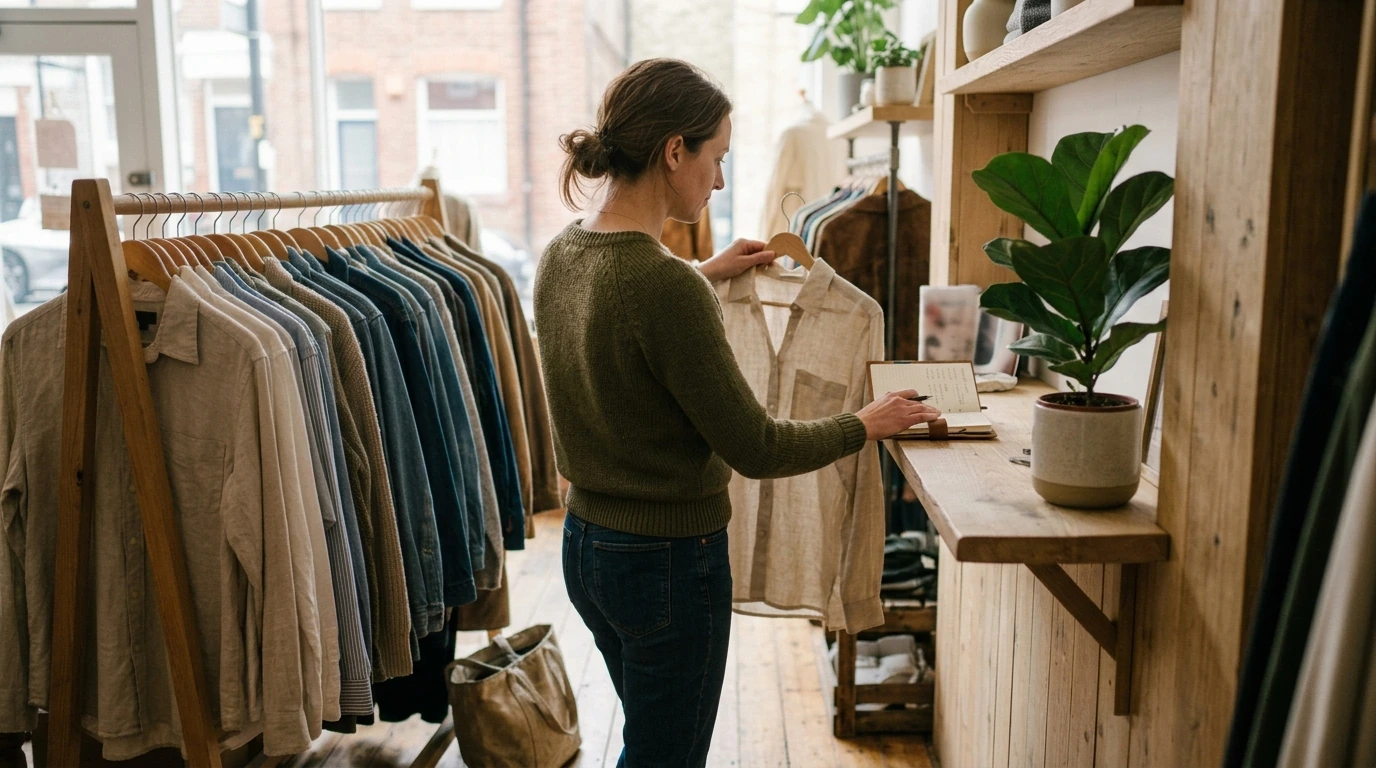
Start With Your Closet, Not the Racks
Take five minutes to notice what you reach for most and what’s missing. Maybe your favorite outfits need an everyday jacket, or you’d wear your work shirts more often with another pair of trousers. Choose two or three gaps to guide your search. You can still bring home an unexpected find; the list simply gives you something to measure it against.
Set a total spending limit before you shop, then decide what you would comfortably pay for each type of item. Leave room for cleaning or a small repair if you’re willing to handle it. A low tag price loses its appeal when the work needed to wear the garment pushes it past your limit.
Wear clothes that make trying things on easy, and save measurements from pieces you already love. A jacket’s shoulder width or a pair of pants’ waist and inseam can tell you more than a size tag, especially when brands and older garments fit differently.
Inspect before you commit
Before you get attached to a piece, hold it up in good light. Look for stains, thinning, pilling, fading, and uneven wear. Pay particular attention to underarms, collars, cuffs, and inner thighs. Then test the zipper, count the buttons, and glance along seams and hems. Ask yourself whether you would actually make the fix—not whether it’s theoretically possible.
Read the care label, too. If an item needs a cleaning routine you won’t follow, it may spend more time waiting to be washed than being worn. And if an odor persists after you’ve had a chance to examine the garment, passing can be the more practical choice.
The in-store keep-or-pass check
| Check |
Good sign |
Reason to pause |
| Fit |
Comfortable now or easy to adjust |
Relies on a major alteration |
| Condition |
Wear you’re happy to live with |
Persistent odor, damage, or visible stains |
| Use |
Works with clothes you own |
No clear occasion to wear it |
| Cost |
Fits your budget as-is |
Repairs or cleaning push it past your limit |
You don’t need a flawless garment. You need to know which signs of wear you’re comfortable with and which ones would stop you from putting it on. Keeping clothes in use is one way to practice the reuse principles described by the U.S. Environmental Protection Agency; choosing pieces you’ll wear makes that decision more meaningful.
Thrift Like a Pro: Hidden Fashion Treasures | Ultimate Thrifting Guide eBook | How to Shop Thrift Stores Like a Pro for Stylish Finds
View product
Buy for your actual week
Before checkout, picture two outfits using clothes you already own. Ask where you would wear the find and whether you would reach for it more than once. If it requires several other purchases to work, reconsider the deal.
Our Thrift Like a Pro eBook is a companion to consider if you want to keep building your shopping habits. Your wish list, budget and sense of what you enjoy wearing should still lead each decision.
Apply the same test online
Compare a garment’s measurements with a similar piece you own rather than relying on its labeled size. Review the available condition details and ask about a flaw or missing measurement if the answer would change your decision.
Include shipping and expected cleaning or repairs in your total. Read return terms before paying, especially for a final-sale item. If your interest shifts from dressing yourself to selling fashion, our Fashion Online Business Asset Pack is a separate resource; you do not need it to choose a secondhand piece for your wardrobe.
Before choosing, compare the product details with your daily routine, available space, care needs, and preferred setup. The strongest option is usually the one that fits the intended use clearly and remains simple to clean, store, and check before repeat use.
FAQ
What is the best online thrift?
There’s no single best option for everyone. Compare selection, garment measurements, condition descriptions, shipping costs, and return policies before choosing where to buy.
How much money does a thrift store owner make?
There’s no reliable single amount: earnings depend on sales, inventory costs, rent, staffing, and other expenses. If you’re considering opening a store, build a budget using your expected local costs rather than assuming a typical income.
See if Thrift Like a Pro: Hidden Fashion Treasures | Ultimate Thrifting Guide eBook | How to Shop Thrift Stores Like a Pro for Stylish Finds fits your setup
View product








Leave a comment