Current Home Office Design Trends for Everyday Spaces
Nathan Brown · 6 min
Flexible layouts for real homes
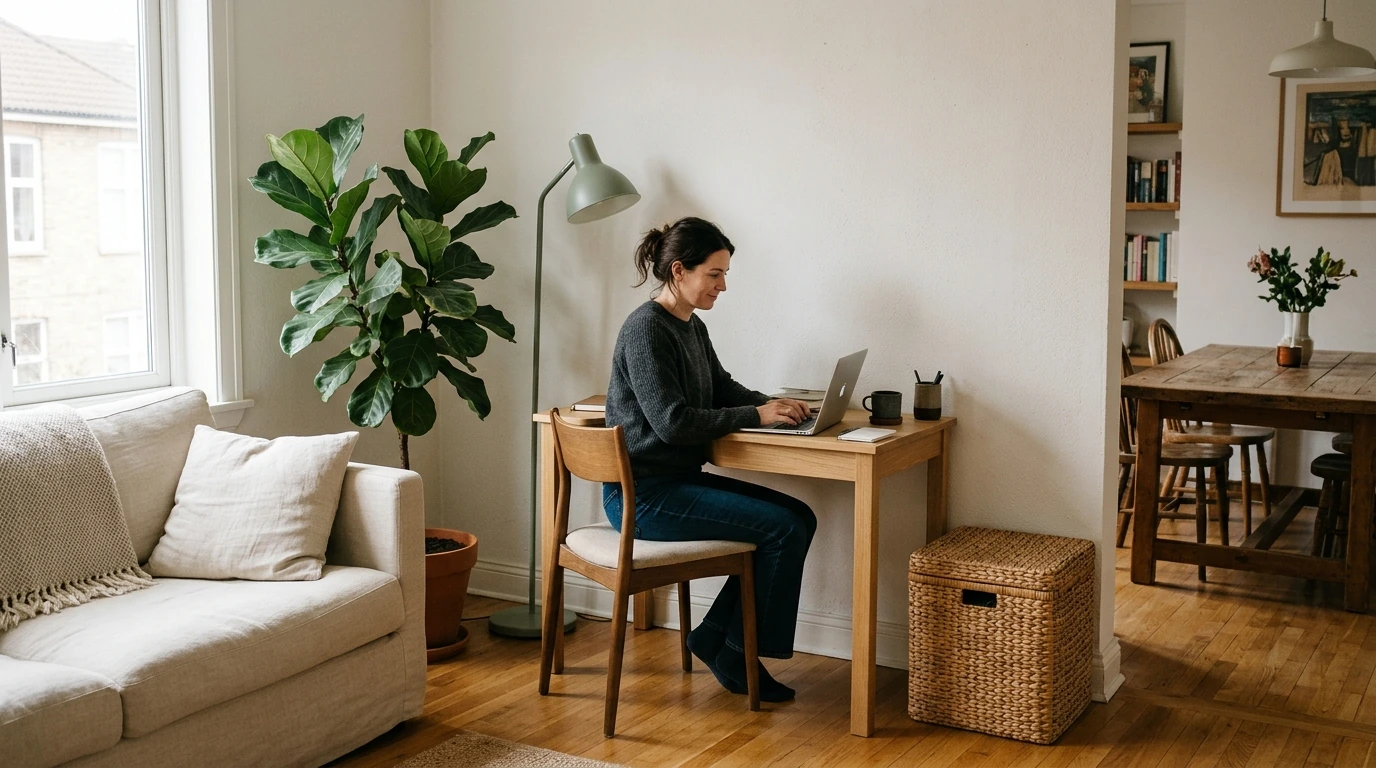
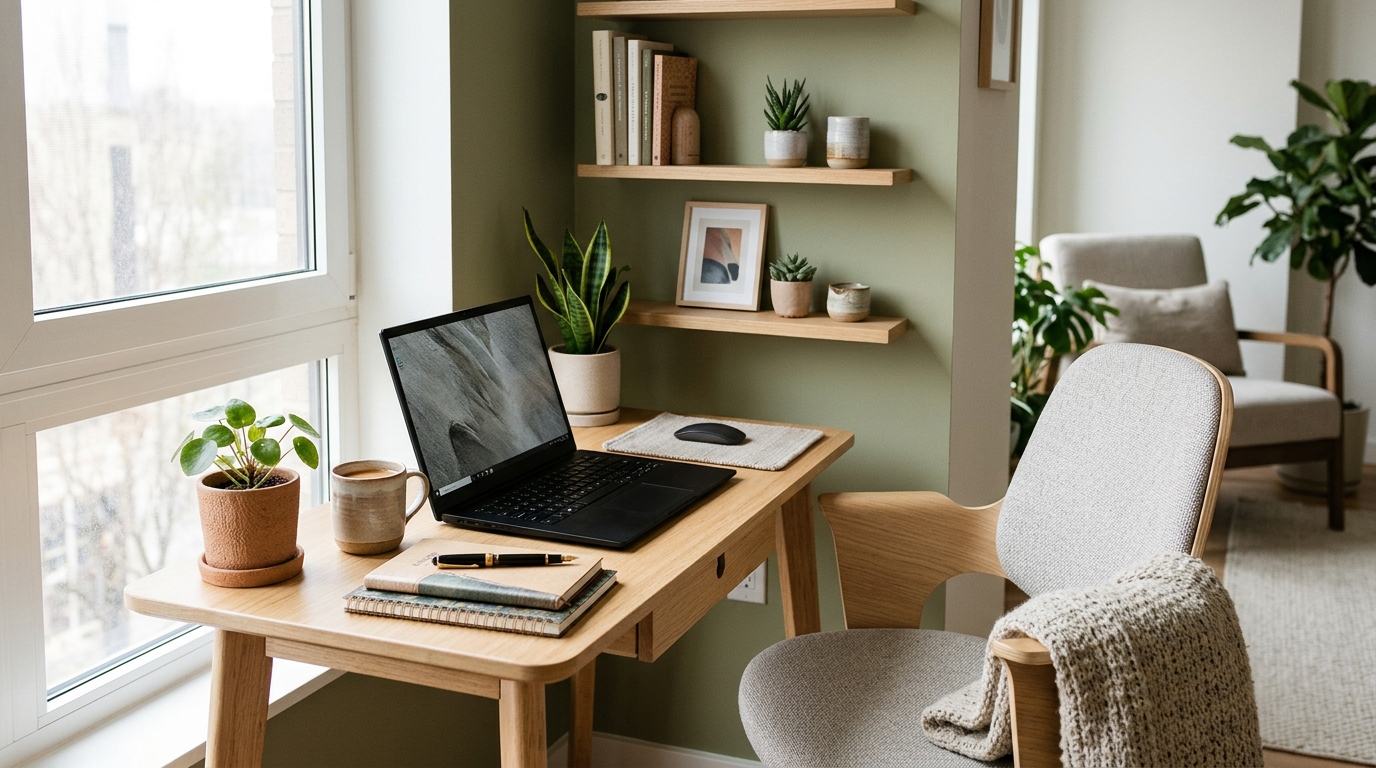
A current priority is making a workspace fit the room you actually have: a compact desk can define a bedroom corner, while a larger room may support separate zones for computer work and reading. Start with the tasks you do most often, then place your desk, storage, and frequently used supplies so you can move between those tasks without clearing the whole surface.
Your Ultimate Home Office Guide | Digital Download | How to Organize a Home Office for Productivity, Focus & Style | Printable eBook & Workspace Setup Planner
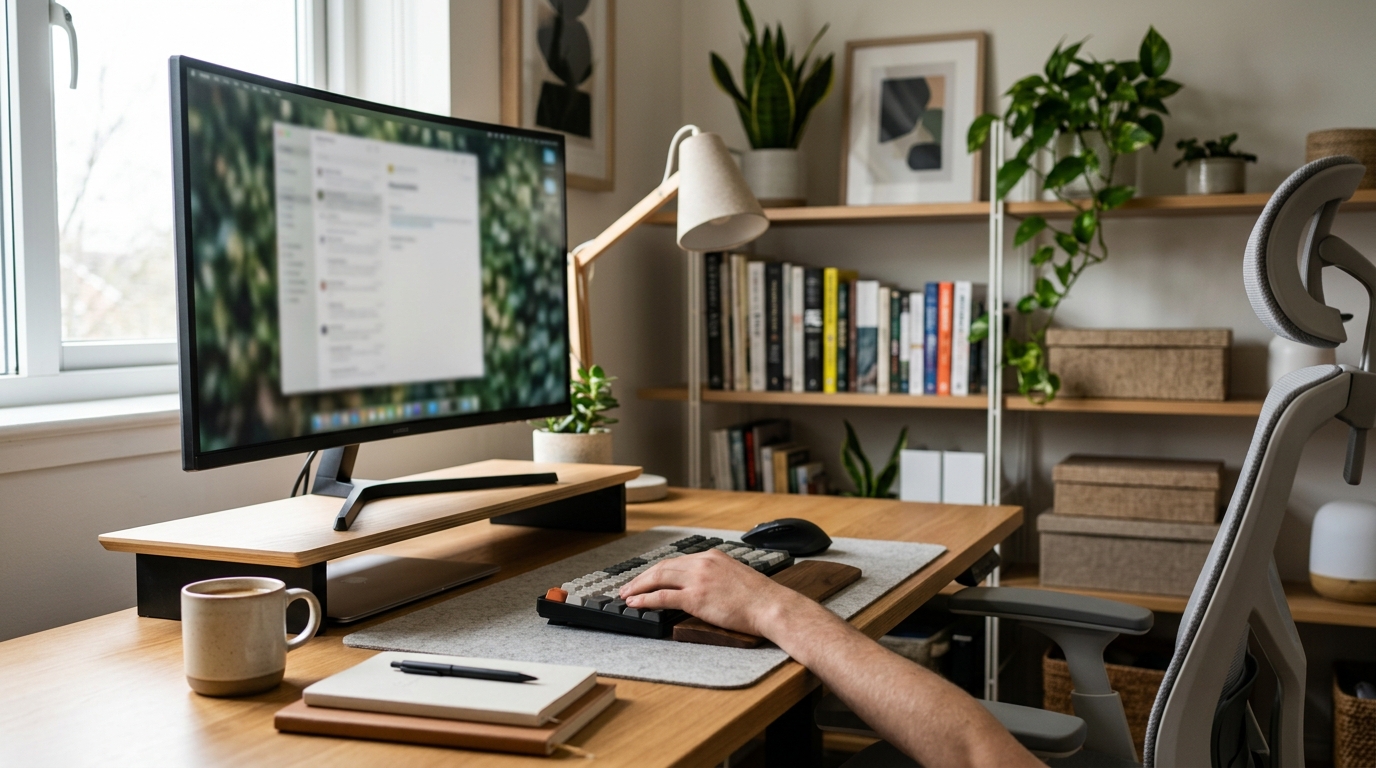
Adjustable seating, a desk at a comfortable working height, and room to change position matter more than copying a polished desk setup that does not fit your body. Pair general room lighting with a task light you can aim at paperwork, and position your screen to reduce distracting glare during the hours you normally work.
Check the product’s listed specifications when evaluating comfort built into the design.
Warm, personal materials and color
Wood tones, textiles, plants, and softer colors can make a home office feel connected to the rest of your home rather than set apart from it. You do not need to commit to a full renovation: try a washable rug, a desk mat, or a small amount of wall color first, especially in a multipurpose room.
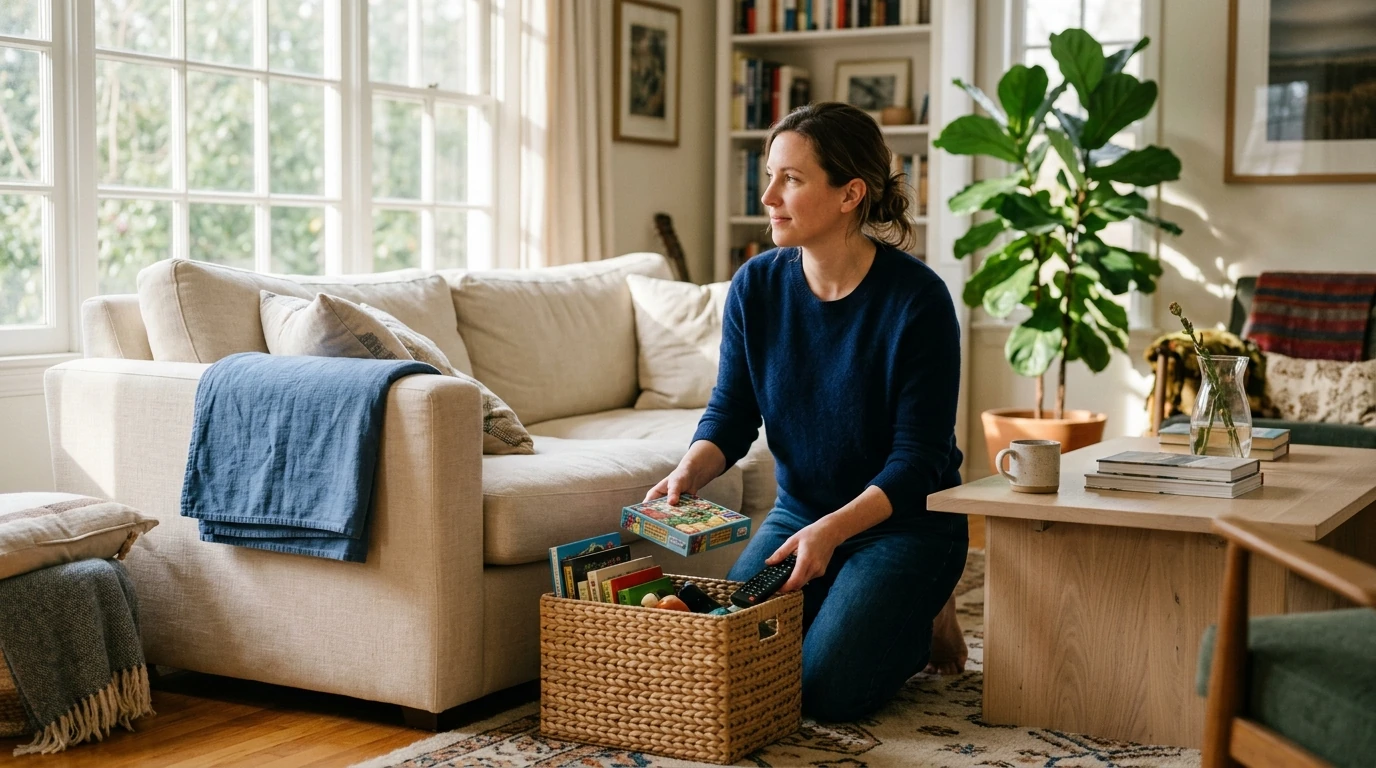
A practical direction for 2026 is a home that feels personal and adaptable, with rooms serving more than one purpose without feeling crowded. In a home office, that can mean warm materials, storage that blends with nearby furniture, and a layout you can adjust as your routine changes.
See if Your Ultimate Home Office Guide | Digital Download | How to Organize a Home Office for Productivity, Focus & Style | Printable eBook & Workspace Setup Planner fits your setup









Leave a comment