Yes, a used vehicle can qualify under a lemon law in some states. Other states’ lemon laws primarily protect new vehicles, and a remaining manufacturer’s warranty may affect your options. The rules can also depend on when the defect appeared, how many repair attempts were made, and how long the car was out of service.
A recurring defect that substantially affects a car is different from ordinary wear or a problem disclosed before you bought it. Even if your car does not qualify under a state lemon law, you may have a claim under a written warranty, a service contract, or rules concerning misleading statements. None of those paths automatically guarantees a refund.
Can a used car qualify under a lemon law?
Start with your purchase contract and the dealer’s Buyers Guide. Read any written warranty or service contract, including its exclusions, notice requirements, and instructions for obtaining repairs. Save advertisements, texts, and emails that made specific promises about the car’s condition or history.
Look closely at whether the car was sold with a warranty or marked “as is.” State law may limit as-is sales, and an as-is label does not necessarily settle a dispute about a separate promise or misleading statement. The Federal Trade Commission’s used-car guidance explains the Buyers Guide and other documents worth reviewing.
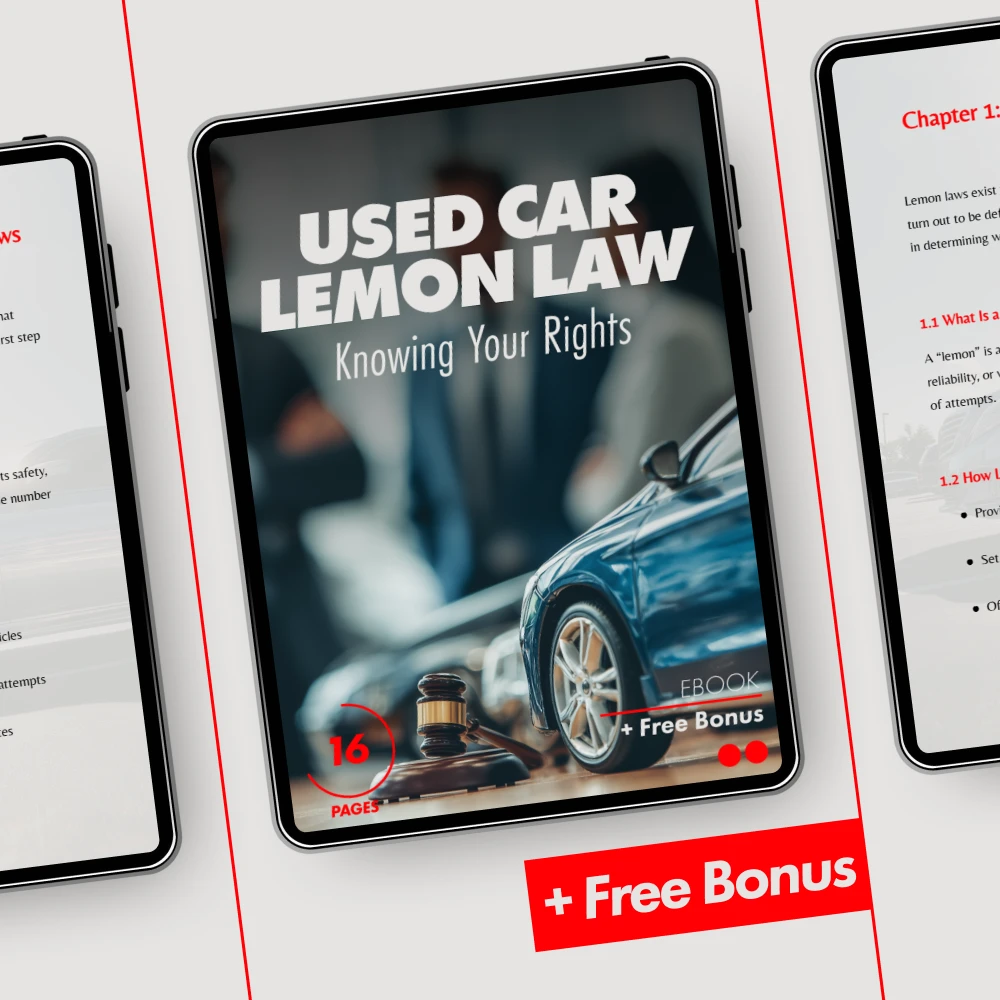
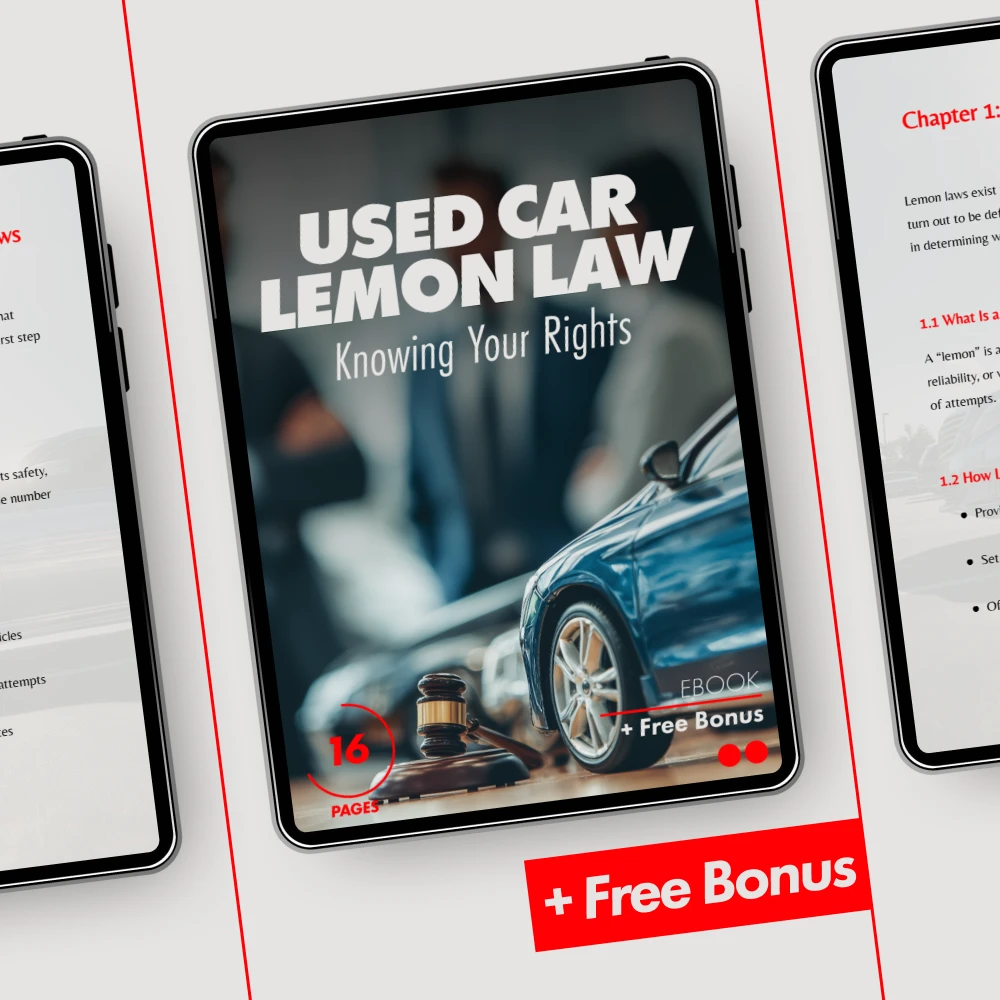
Featured in this guide
Used Car Lemon Law: Knowing Your Rights – A Comprehensive Guide for Consumers
Read your purchase contract and the dealer’s Buyers Guide. If you have a warranty or service contract, note its coverage, exclusions, notice rules, and repair procedure. Save advertisements and messages containing specific promises about the car.
An “as is” sale may affect warranty rights, but state restrictions or a separate misleading statement can change the analysis. Keep repair orders even if you later obtain a new diagnosis: they establish when the problem was reported and what was attempted.
Make a timeline you can use
If the car may be unsafe, limit driving it and arrange an appropriate inspection or tow. Ask the repair shop to describe the symptoms and its findings in writing. A diagnosis can help you explain the fault, but keep the original repair orders too; they show the dates, mileage, and work already attempted.
Notify the dealer and any applicable warranty provider promptly. Follow the notice and repair procedures in your documents, and keep copies of calls summarized in writing, emails, and letters. State when the problem began, what has been done, and whether you are requesting a repair, reimbursement, or another remedy. Ask for a written response rather than assuming the dealer must offer a refund.
Some laws and warranties require you to give the seller or warranty provider an opportunity to repair the car. If the issue remains unresolved, contact your state consumer-protection agency or an attorney about deadlines and available remedies before authorizing major work elsewhere. Paying another shop first could complicate a warranty claim.
Choose your next step
Notify the dealer and any applicable warranty provider promptly, following the procedure in your documents. Describe the fault, prior repairs, and the remedy you seek. Keep a copy of your written notice and request a written response.
Some laws and warranties require an opportunity to repair. Before authorizing major work elsewhere, consider contacting your state consumer-protection agency or an attorney about deadlines and available remedies.
Know which rule you are relying on
State lemon laws, dealer-warranty rules, federal warranty protections, and claims involving misleading statements have different requirements.
If you bought the car in Maryland, consult current Maryland guidance rather than assuming a used purchase qualifies—or that lemon-law ineligibility ends every possible claim. Our Used Car Lemon Law guide can help you organize your questions alongside your documents and current state guidance; it is not a substitute for legal advice.
There is no universal $3,000 used-car lemon-law rule. Ask which state law or policy the figure refers to, then verify its current requirements.
Can I use the lemon law in Maryland to buy a used car?
Maryland lemon-law eligibility depends on the vehicle and the applicable rules; buying a used car does not automatically qualify it. Review current Maryland guidance, warranty terms, and any other protections that may apply.
See if Used Car Lemon Law: Knowing Your Rights – A Comprehensive Guide for Consumers fits your setup










Leave a comment