Start with a comfortable base that suits the occasion. For a workday, that might be a neat shirt and trousers; for a relaxed afternoon, a simple T-shirt and jeans may be enough. Add a cardigan, overshirt or light jacket when the morning is cool, then remove it as the temperature rises.
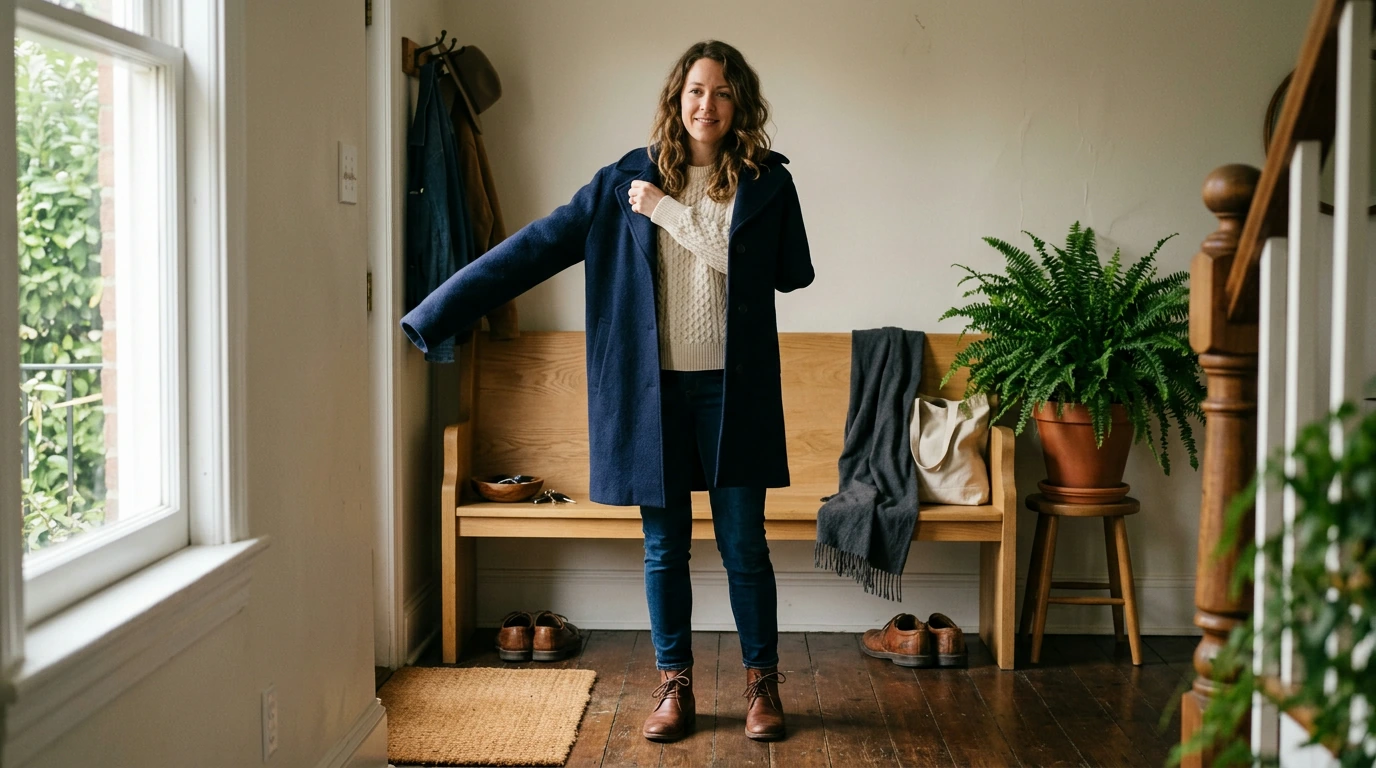
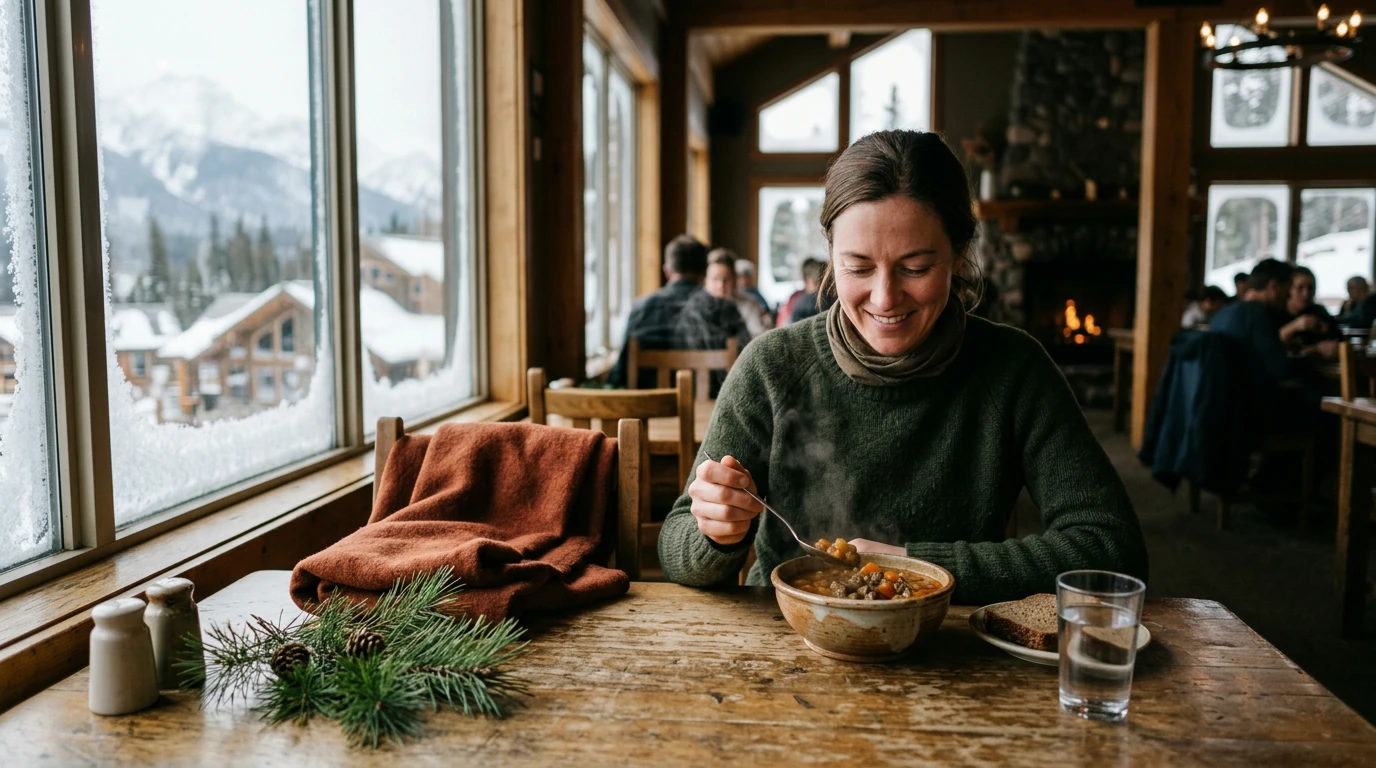
In colder weather, use layers that work together rather than relying on one bulky piece. A comfortable base, an insulating middle layer and a wind-resistant outer layer can help you adjust as you move between indoor and outdoor spaces. Make sure you can move easily when the layers are worn together.
Footwear deserves the same attention. Choose shoes with reliable traction for wet sidewalks, and consider how much walking your day involves. If your destination has a dress code, look for a practical pair that still fits the setting, or carry a second pair to change into when you arrive.
To keep the look intentional, choose colors that are easy to combine and balance the shape of your layers. A streamlined jacket over wider-leg trousers, for example, can look considered without being complicated. On hot days, breathable clothing and shade can make a difference; the CDC’s heat prevention guidance also recommends staying hydrated and limiting outdoor activity during the hottest hours when possible.









Leave a comment