A useful budget starts with dependable take-home income, not your best-ever month. If your pay varies, use a conservative amount for regular expenses and decide what to do with extra income when it arrives.
Next, write down housing, utilities, groceries, transportation, and minimum debt payments. Put each due date beside its amount. That way, you can see whether money that appears available for the month must actually cover a bill before your next payday.
Give each dollar a useful job
After essentials, choose one immediate savings purpose. It might be a small emergency cushion, a car repair fund, or an upcoming annual bill. Naming the goal makes the decision more concrete: you know what the money is for when another purchase competes for it.
Leave space for flexible spending, too. Meals out, gifts, and ordinary surprises are part of real life. If your plan assumes they will never happen, it may be hard to follow. Use this table for a first monthly check-in, then change the categories and amounts to match your circumstances.
A simple monthly money check-in
Category
What to record
Decision to make
Income
Take-home pay you expect to receive
What amount is reliable enough to budget?
Essentials
Housing, utilities, food, transportation, and minimum payments
Which costs and due dates need attention first?
Savings
An amount for one specific goal
What can you set aside consistently?
Flexible spending
Other purchases and activities
Where could you make a small adjustment if needed?
Review one recurring charge before trying to eliminate every small pleasure. If a subscription or plan no longer suits you, changing it may free up money without requiring a new decision every day.
If your cash flow allows, set aside your chosen savings amount shortly after payday. Keep enough available for bills due before the next one. A smaller transfer you can leave in place is more useful than a larger transfer you regularly have to reverse.
Make the weekly review count
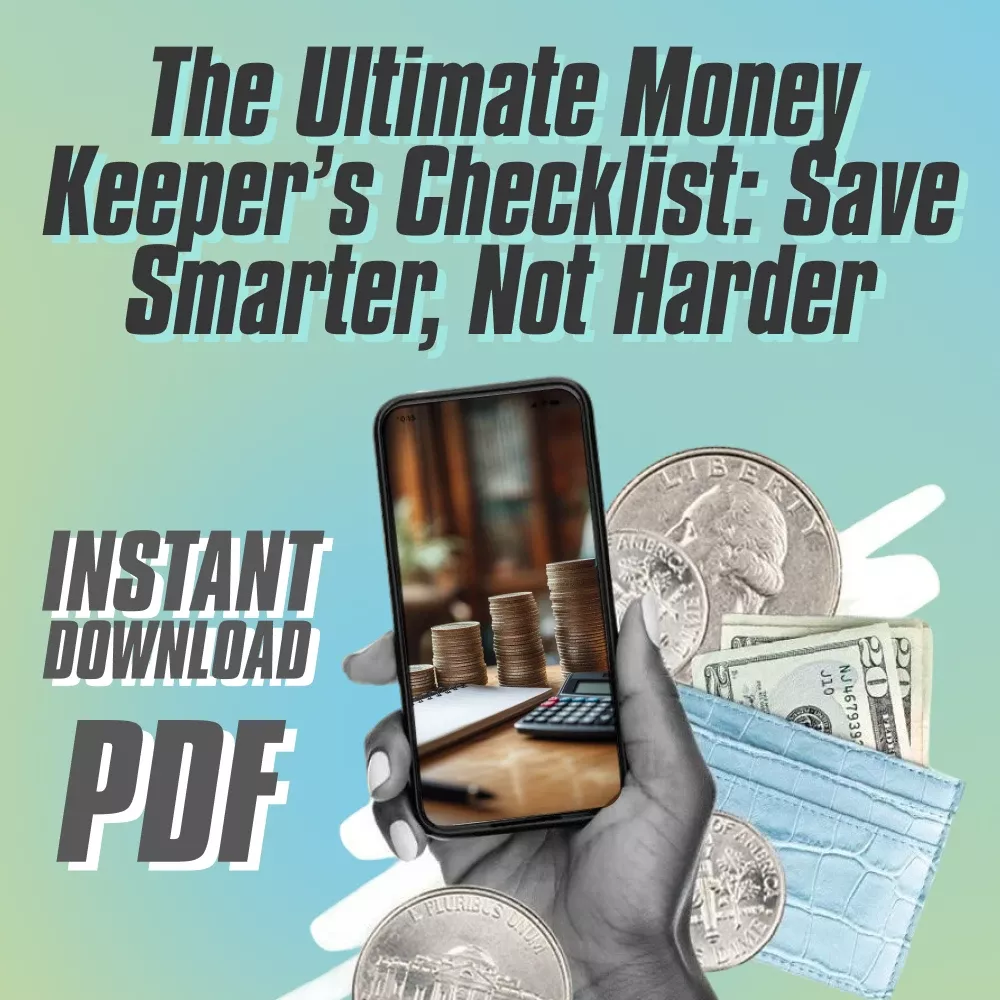
Set aside a short time to compare planned and actual spending. Note the next bills due, decide whether your savings amount still fits, and choose one change for the coming week. Our Ultimate Money Keeper’s Checklist is a digital budgeting guide you can use as a companion to that routine.
Also notice progress beyond your savings balance. Catching a bill before it strains your account or spotting a recurring charge gives you more time to make a decision. Revisit the whole plan when your income, costs, or priorities change.
Measure the habit as well as the balance
A growing savings balance is encouraging, but it is not the only sign of progress. Catching a bill before it strains your account, noticing a recurring charge, or adjusting your plan after an expensive week are useful results, too. They help you make decisions with more time and less pressure.
Revisit your numbers when your income, bills, or priorities change. Our team favors a routine you can return to over a rigid set of rules. Start with what you know, give your money clear jobs, and keep refining the plan as life changes.
“💰 This digital budgeting guide is a lifesaver! My savings have skyrocketed and I didn’t even have to cut back on my lattes. It’s so easy to use, too.”
There is no single best goalkeeper save; it depends on the shot, positioning, and match situation. This budgeting checklist concerns saving money, not soccer.
What is a keeper save?
In soccer, a keeper save is a goalkeeper’s action that stops a shot from becoming a goal. Here, “Money Keeper” refers to keeping track of your money.
What is a good goalkeeper save rate?
There is no universal rate that tells the whole story, because the difficulty and number of shots faced vary. A money-saving goal is better measured against your own income and essential costs.
Who are the 50 best goalkeepers in the world?
Any top-50 list depends on the season and the criteria used to rank players. Our checklist does not rank goalkeepers; it helps you build a budgeting routine.
See if The Ultimate Money Keeper’s Checklist: Save Smarter, Not Harder | Budgeting Guide, Digital Download, How to Get Better at Saving Money fits your setup










Leave a comment