Play Your Way to Wellness: A Music-Led Check-In
A Small Pause for Your Wellbeing
A check-in does not have to be complicated. You might ask yourself how your energy feels, whether your thoughts are racing, or what would make the next hour more manageable. Noticing your experience can help you choose a gentle next step, such as taking a break, getting a drink of water, or reaching out to someone you trust.
It offers a way to bring music and intention into your routine without asking you to turn wellbeing into another task you have to perfect.
Music preferences and experiences are personal. A track that feels comforting one day might not suit you the next, and that is okay. The goal is to make room for your own observations, not to chase a particular feeling or result.
Build a Routine That Fits Your Day
Start with music you already know and enjoy. Set aside a few quiet minutes if you can, and check in before and after listening. Feeling the same, different, or unsure are all valid observations.
These are optional ideas for your own routine, not a description of what is included in the checklist:
- Morning: Play an inviting song and ask what pace feels manageable today.
- Afternoon: Take a listening break and notice your energy.
- Evening: Choose a calming track or quiet and consider what would help you wind down.
Adjust the volume, skip a song, or stop listening if it feels uncomfortable. Silence is an option too.
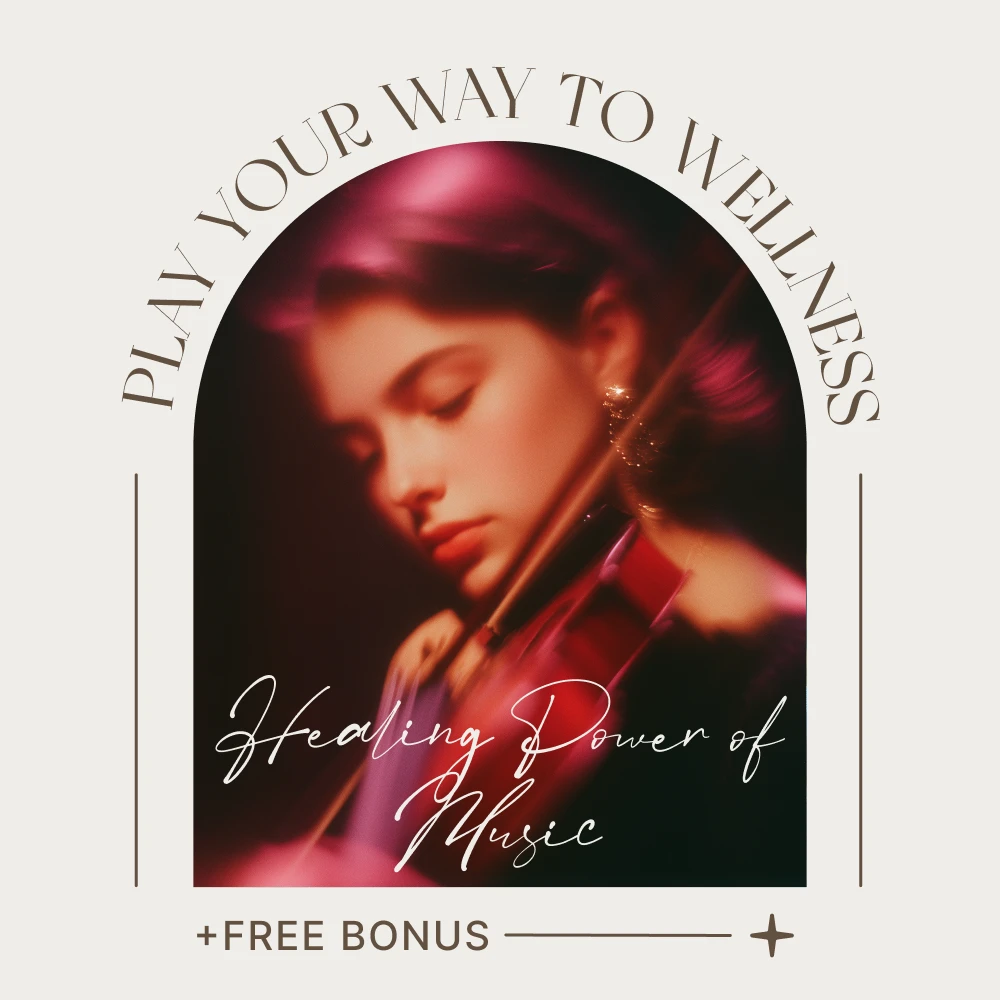
The Play Your Way to Wellness Checklist: A Music-Driven Guide for Mental Health and Wellbeing
View product
Make the Checklist Your Own
Pair the checklist with a favorite playlist and a time you are likely to remember, such as after your morning coffee or during a lunch break. Try a different time or sound if your first choice does not fit.
If you enjoy organizing other parts of your routine, you can also explore our Expiry and PAO Tracker. It is a separate product for a different kind of organization, so choose it only if keeping track of expiry and period-after-opening information is useful to you.
When More Support May Help
Music can be a personal wellbeing practice, but it is not a replacement for professional mental health care. If distress persists or you are finding it difficult to function in daily life, consider speaking with a qualified health professional. You can also tell someone you trust what you have been experiencing and ask for help finding support.
If you or someone else is in immediate danger, contact local emergency services or a crisis service right away.
Check the product’s listed specifications when evaluating when more support may help.
Find Your Next Wellbeing Moment
A music-led check-in gives you a simple reason to pause and listen to yourself as well as the music. You can keep it short, change it as your day changes, and choose what feels comfortable. When you are ready, explore our in-stock Play Your Way to Wellness Checklist and consider how it might fit into your day.
Before choosing, compare the product details with your daily routine, available space, care needs, and preferred setup. The strongest option is usually the one that fits the intended use clearly and remains simple to clean, store, and check before repeat use.
FAQ
What are five signs that I might need a mental health day?
Persistent exhaustion, difficulty concentrating, irritability, feeling overwhelmed, and trouble sleeping can be signs that you may benefit from a pause. They are not a diagnosis; if they continue or interfere with daily life, consider seeking professional support.
Where can I get free mental health pamphlets by mail?
Try contacting a local public health department, community mental health organization, or national mental health nonprofit to ask whether it mails free pamphlets. Availability and mailing areas vary, and some organizations may offer materials online instead.
What are 12 songs every music therapist should know?
There is no universal list of 12 songs every music therapist should know because appropriate choices depend on the people they work with, their goals, and cultural context. A qualified music therapist may draw on a range of familiar songs and adapt selections to individual preferences.
What are the 7 pillars of wellness?
Wellness models vary, but one common seven-part framework includes physical, emotional, social, intellectual, spiritual, environmental, and occupational wellbeing. These categories can offer a way to reflect on different areas of your life without requiring you to address everything at once.
See if The Play Your Way to Wellness Checklist: A Music-Driven Guide for Mental Health and Wellbeing fits your setup
View product











Leave a comment