HomeBlogBlogHow to Spot Possible Lymphatic Drainage Problems

How to Spot Possible Lymphatic Drainage Problems

How to Spot Possible Lymphatic Drainage Problems

How to Spot Possible Lymphatic Drainage Problems

Nathan Brown · 6 min

How to Spot Possible Lymphatic Drainage Problems

What signs might point to poor lymphatic drainage?

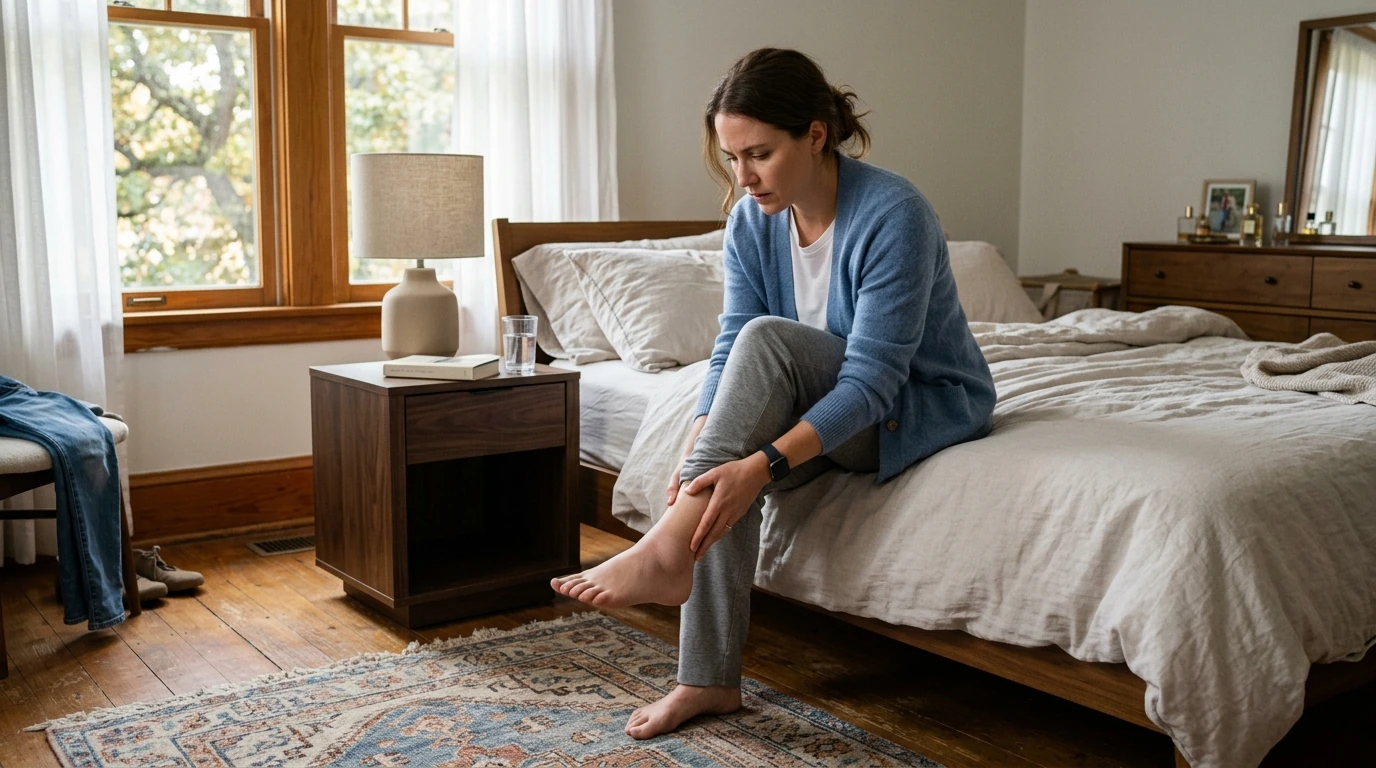
Swelling that persists or keeps returning—especially in an arm, leg, hand, or foot—can be a sign that lymph fluid is not draining normally. You might also notice a feeling of heaviness or tightness, skin that feels firmer than usual, or jewelry, shoes, or clothing that suddenly fit differently.

These signs do not tell you the cause on their own: swelling can also be related to an injury, medication, infection, or another medical condition. Our team recommends paying attention to where the swelling occurs, when it started, and whether it improves after you rest or elevate the affected area.

Check the product’s listed specifications when evaluating what signs might point to poor lymphatic drainage.

When should you get swelling checked?

Contact a healthcare professional if swelling is new, persistent, worsening, or mostly on one side, rather than assuming you need a lymphatic massage. An assessment matters especially if you have had lymph nodes removed, received cancer treatment, or have a history of lymphedema.

Seek urgent medical care for sudden swelling with pain or redness, or for swelling accompanied by chest pain or shortness of breath. If an area is hot, red, painful, or you have a fever, ask for medical advice before massaging it.

Featured in this guide

Lymphatic Drainage Massage at Home Ebook | How to Do a Lymphatic Drainage Massage on Yourself | Step-by-Step Self Massage Guide for Wellness, Detox & Daily Self-Care

View product

What can you do day to day?

Gentle movement and avoiding long stretches in one position may help you manage everyday puffiness, but they are not a substitute for finding the cause of ongoing swelling. If a clinician has recommended compression or a specific care plan, follow that guidance rather than choosing a routine based only on how your swelling looks.

If you are interested in self-massage, start with our guide to gentle lymphatic self-massage at home and keep the touch light instead of pressing deeply into swollen tissue. Our Lymphatic Drainage Massage at Home Ebook is a step-by-step self-massage guide, but check with your clinician before trying massage if you have unexplained swelling or a medical condition.

How can you track changes?

Notice whether swelling is occasional, such as after sitting for a long time, or whether it remains noticeable from day to day. You can note the affected area, any discomfort or skin changes, and what makes the swelling better or worse to help you describe it clearly at an appointment.

A consistent change is more useful to report than trying to decide for yourself whether your lymphatic system is “clogged.” We encourage you to treat unexplained or persistent swelling as a reason to ask questions, not as a diagnosis you have to make at home.

FAQ

How do you know if your lymphatic drainage is clogged?

“Clogged” is not a diagnosis you can confirm by feel, but persistent swelling, heaviness, or tightness can signal a drainage problem. A healthcare professional can evaluate those symptoms and help identify the cause.

See if Lymphatic Drainage Massage at Home Ebook | How to Do a Lymphatic Drainage Massage on Yourself | Step-by-Step Self Massage Guide for Wellness, Detox & Daily Self-Care fits your setup

View product

Was this article helpful?

Yes No
Leave a comment
Top

Shopping cart

×