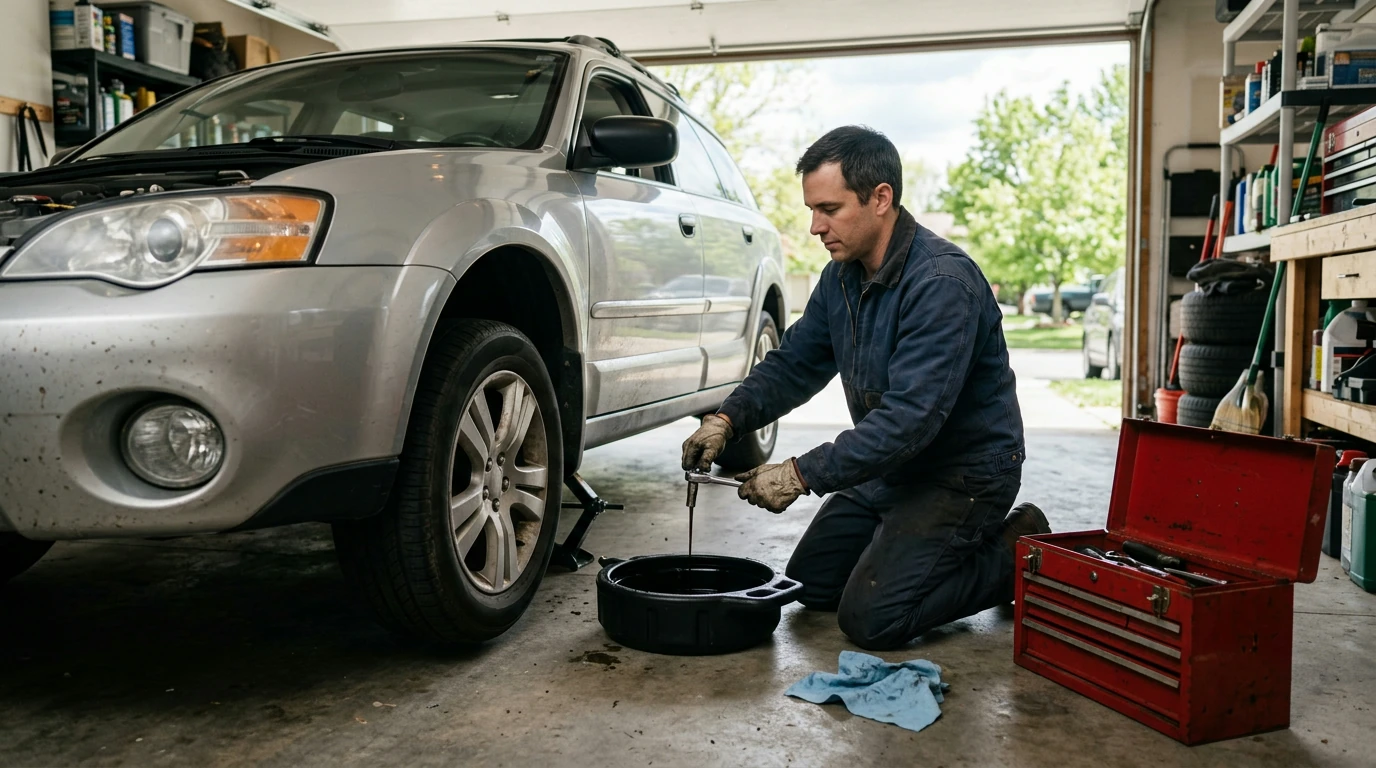
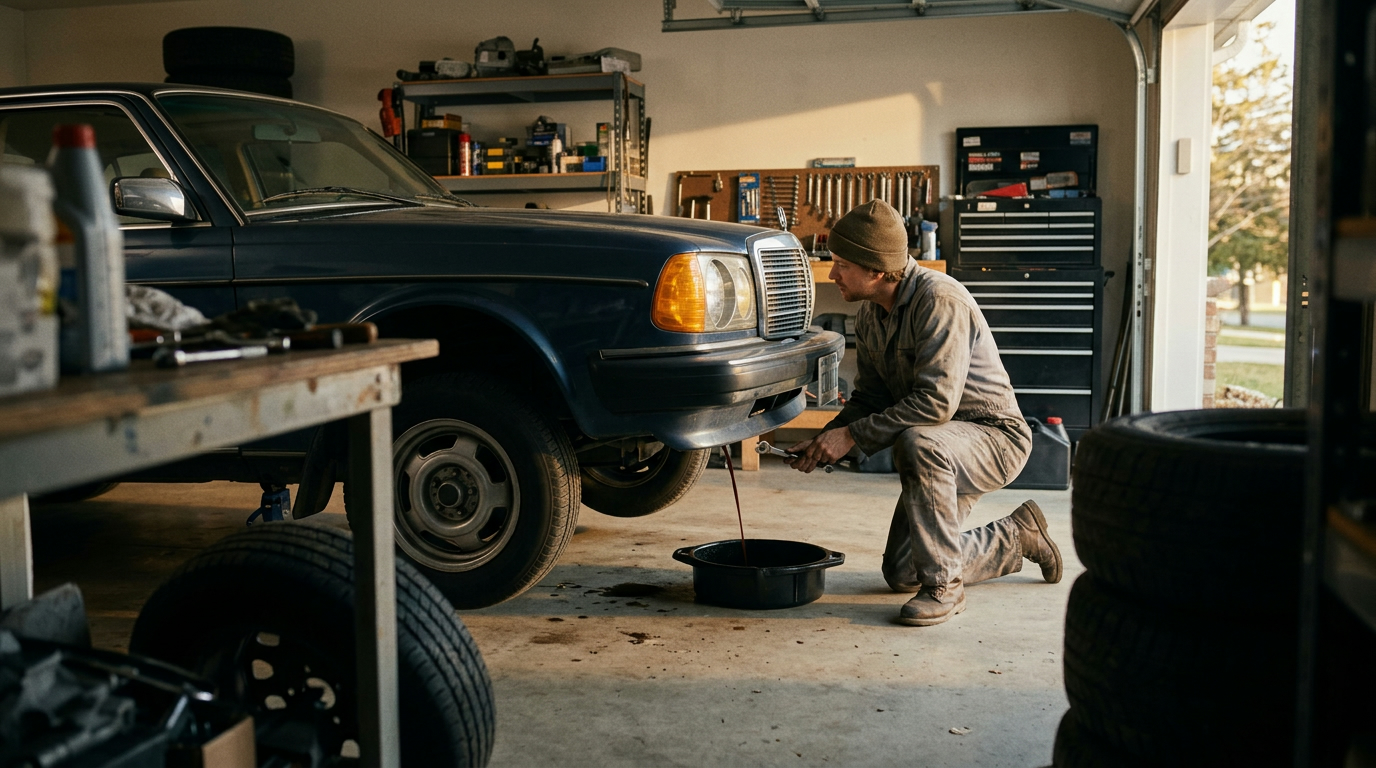
Find the oil-change schedule in your owner’s manual and note both the mileage and time limits, since oil can age even when you don’t drive much. If your car has an oil-life monitor, follow its guidance along with any instructions in the manual, and use the oil viscosity and specification the manufacturer recommends.
Featured in this guide
Unveiling the Truth About Car Maintenance | Practical eBook That Exposes Car Maintenance Myths & Saves You Money
Frequent short trips, stop-and-go driving, towing, dusty roads, and extreme temperatures can make driving harder on oil, so your manual may list a separate severe-service schedule. Compare that schedule with your routine rather than assuming that occasional traffic or a single long trip automatically means you need a change every 3,000 miles.
What should you do between oil changes?
Check your oil level regularly on level ground using the procedure in your manual, and add the specified oil if the level is low; don’t wait for the next scheduled service if you notice a leak or an oil-pressure warning. For more ways to separate routine maintenance from common myths, read our car maintenance guide or explore our eBook, Unveiling the Truth About Car Maintenance.
FAQ
How bad is a 3000 miles over oil change?
Being 3,000 miles past your recommended interval can increase the risk of oil breakdown and engine wear, although the effect depends on the vehicle, oil, and driving conditions. Arrange an oil change promptly, check the oil level, and address any warning lights or unusual engine noises without delay.
How many miles can you realistically go between oil changes?
The practical interval is the one specified for your vehicle and driving conditions, rather than a universal mileage figure. Use your manual’s normal or severe-service schedule as appropriate, and observe its time limit even if you drive fewer miles.
See if Unveiling the Truth About Car Maintenance | Practical eBook That Exposes Car Maintenance Myths & Saves You Money fits your setup










Leave a comment