Drawbacks of Suburban Living: Costs, Commutes and Access
Nathan Brown · 6 min
Driving Can Become a Daily Necessity
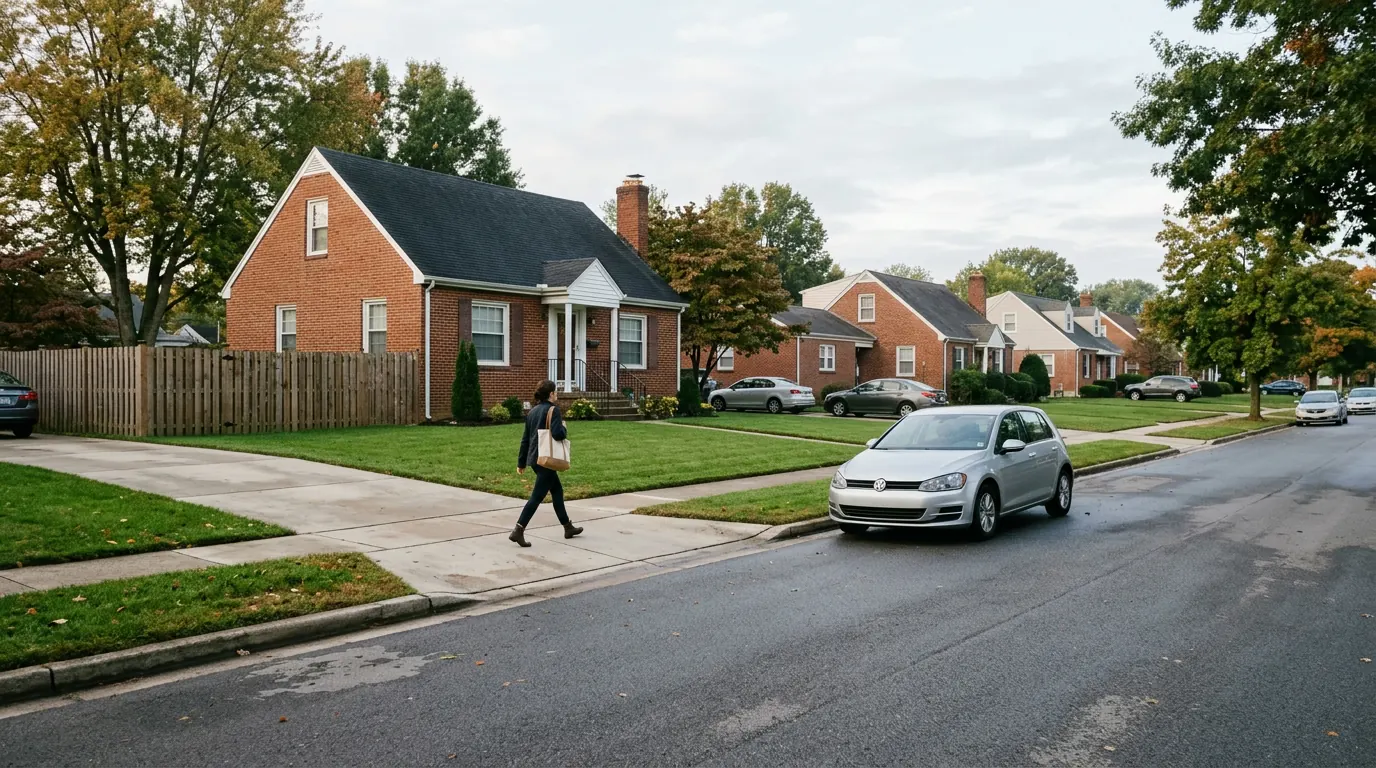
When homes, jobs, stores, and services are spread apart, a car may be the most practical way to handle even short errands. That can make car payments, insurance, fuel, maintenance, and parking a larger part of your budget, especially if your household needs more than one vehicle.
Depending on the neighborhood, you may have fewer places you can comfortably walk to, such as groceries, restaurants, or medical appointments. Compare the routes to the places you use each week, and consider whether children, older relatives, or anyone who does not drive could get around independently.
More Space Can Mean More Upkeep
A larger home or yard can give you room to spread out, but it can also add cleaning, repairs, lawn care, and seasonal chores. Before choosing a property, think about both the cost and the time you would be willing to spend maintaining the space you want.
The Right Fit Depends on Your Routine
Suburban living may feel limiting if you value spontaneous outings, frequent transit service, or being close to many jobs and activities; it may suit you better if space and a quieter pace outweigh those needs. Our team recommends weighing your actual weekly trips alongside housing costs, and our Suburban Car Life Explained eBook focuses on the pros and cons of owning a car in the suburbs as you make that comparison.











Leave a comment