White can also be easy to live with because dust often blends in, though dark mud, tar, and winter road spray may stand out sharply against it. Black and other dark colors can look striking just after a wash, but they tend to show dust, water spots, and fine wash marks sooner; bright colors fall somewhere in between, depending on the type of dirt you encounter.
Featured in this guide
Unveiling the Truth About Car Maintenance | Practical eBook That Exposes Car Maintenance Myths & Saves You Money
Your Driving Conditions Matter More Than a Perfect Shade
If you regularly drive on unpaved roads, a color close to the dust in your area may hide that dust better than a universal “best” color, while frequent rain can make water spotting a bigger concern. Before choosing, think about where you park, your local weather, and whether you prefer quick touch-ups or scheduled washes—then pick a color you’ll still enjoy seeing every day.
Keep the Finish Easy to Care For
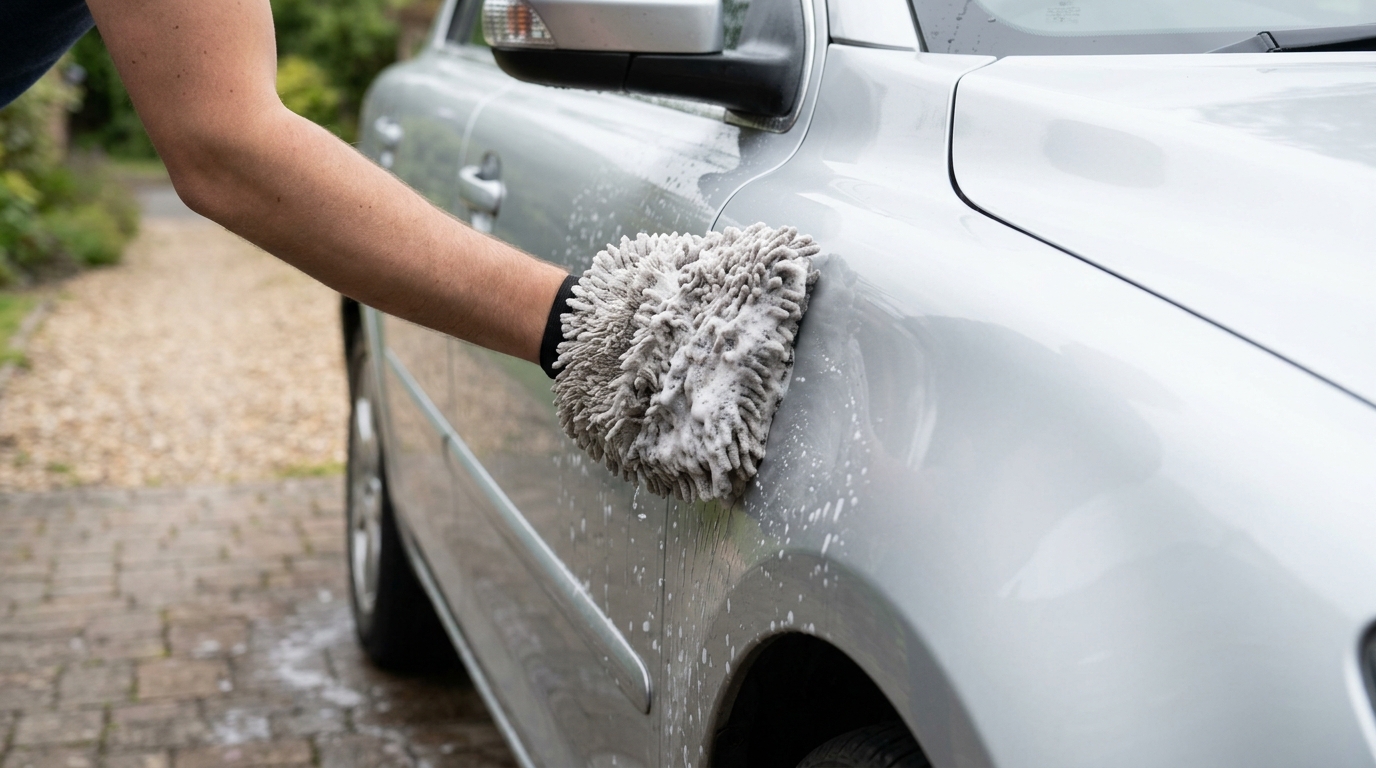
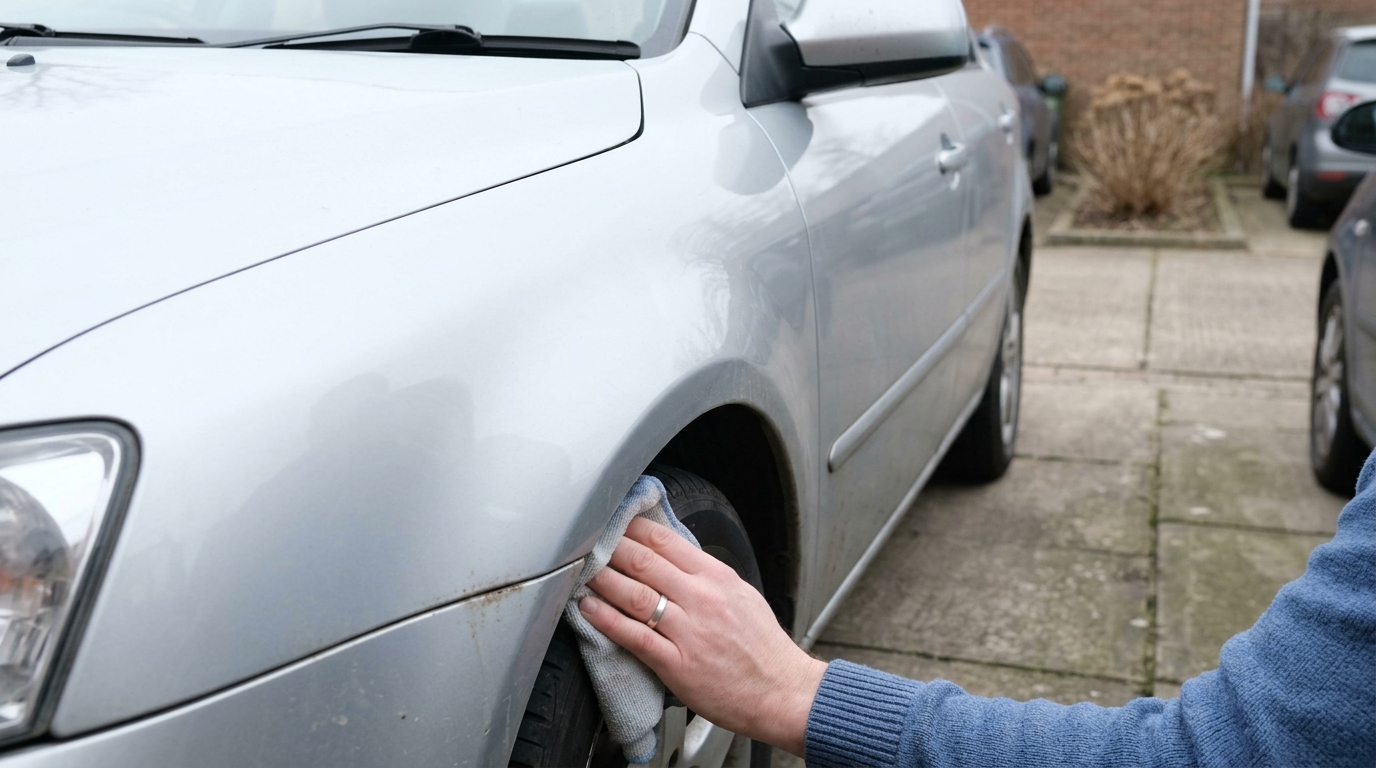
Whatever color you choose, rinse off abrasive grit before washing, use clean microfiber towels, and follow the care instructions for your car’s finish so routine cleaning doesn’t create avoidable marks. Paint appearance is separate from mechanical upkeep, and our Unveiling the Truth About Car Maintenance eBook pairs naturally with our guide to car maintenance myths if you’re also sorting out which maintenance advice deserves your attention.
FAQ
What color of car is the easiest to keep clean?
Silver or light gray is often the easiest to keep looking clean, even though it gets dirty at the same rate as any other color. White is another practical option, especially if you’re more bothered by visible dust than by dark splashes of mud or road grime.
See if Unveiling the Truth About Car Maintenance | Practical eBook That Exposes Car Maintenance Myths & Saves You Money fits your setup











Leave a comment