Check the product’s listed specifications when evaluating daily life and your surroundings.
Getting Around
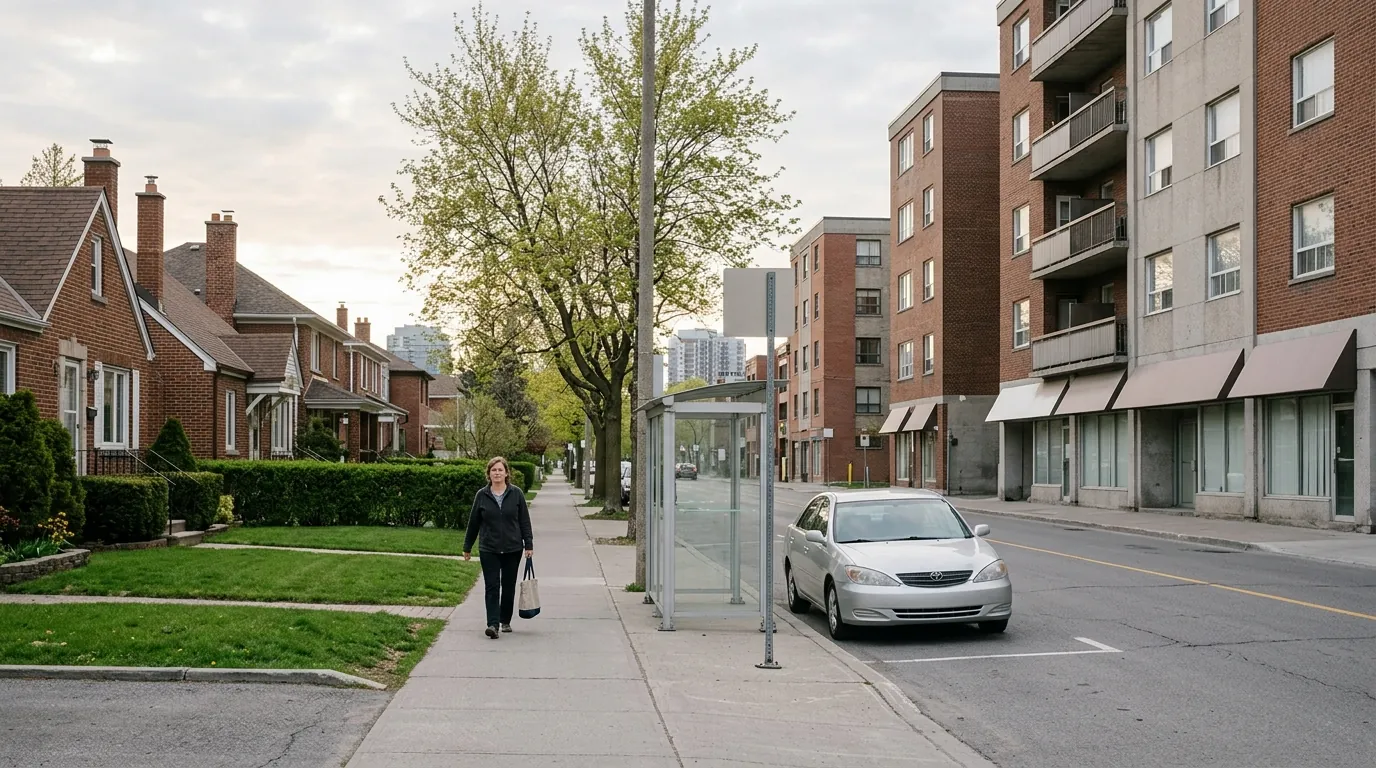
In an urban neighborhood, walking, biking, or public transit may cover many routine trips, though that depends on the city and the specific block where you live. In a suburb, a car is often more useful for errands and commuting, so consider not just travel time but also parking, fuel, maintenance, and how other members of your household will get around.
Featured in this guide
Suburban Car Life Explained – Practical eBook on the pros and cons of owning a car in the suburbs | Smart Suburban Living Guide
Suburban homes may offer more indoor or outdoor space for your budget, while an urban home may trade space for proximity to work, activities, and services; housing costs vary widely by location. City streets can feel busier and offer more spontaneous options nearby, whereas suburban neighborhoods may feel quieter but require more planning to reach those options.
Check the product’s listed specifications when evaluating space, cost, and pace.
Choosing What Fits You
Start with a typical week: map your commute, grocery trips, social plans, and any school or caregiving trips from each location you are considering. We recommend comparing the full routine rather than the home alone, because a shorter walk to daily essentials can matter as much as an extra room, and a larger home can matter more if you spend substantial time there. For a closer look at the transportation side of that decision, our Suburban Car Life Explained – Practical eBook on the pros and cons of owning a car in the suburbs focuses on car ownership in suburban life; you can also read our guide to urban and suburban living.
Check the product’s listed specifications when evaluating choosing what fits you.
FAQ
How do I know if I live in urban, rural, or suburban?
Look at the density and layout around your home: urban areas tend to have closely spaced buildings and destinations, suburbs tend to have residential neighborhoods outside a city center, and rural areas tend to have more open land and fewer nearby services. Boundaries are not always clear, so your daily travel patterns can be more helpful than a label when deciding whether a place suits you.
See if Suburban Car Life Explained – Practical eBook on the pros and cons of owning a car in the suburbs | Smart Suburban Living Guide fits your setup











Leave a comment