HomeBlogBlogKeep Your Home Organized Without Sacrificing Style

Keep Your Home Organized Without Sacrificing Style

Keep Your Home Organized Without Sacrificing Style

Keep Your Home Organized Without Sacrificing Style

Nathan Brown · 6 min

Keep Your Home Organized Without Sacrificing Style

Give Every Room a Clear Purpose

Start by naming the activities that happen in each room. Your dining table may host meals, homework, and paperwork; your entryway may need to handle bags, shoes, and incoming mail. These daily uses should guide your layout before you move furniture or buy decor.

Keep frequently used items near the place you use them. Store occasional-use pieces somewhere less prominent, where they will not compete for space with daily essentials. Then choose a few surfaces for display and protect the rest for practical tasks. A console can hold a small arrangement of objects you love, while a nearby section stays clear enough to set down your keys when you come home.

Organize Before You Style

Clear one small area and sort what you find into keep, relocate, donate, and discard groups. Once you know what is staying, assign each item a place that is easy to reach and easy to return it to.

Pay attention to the things that repeatedly collect on counters: mail, charging cables, and keys. A tray or divider helps only when you know what it will hold and where it will sit. Otherwise, it can become another clutter spot.

Featured in this guide

How to Maintain Home Organization While Styling Your Home Checklist | Printable Home Decor Guide | Minimalist Organization Planner | Digital Download

View product

Leave Space for Everyday Life

Style a room for an ordinary day, not only for the moment after you tidy. Group a few favorite objects and leave working surfaces usable. That breathing room also makes displays easier to clean around.

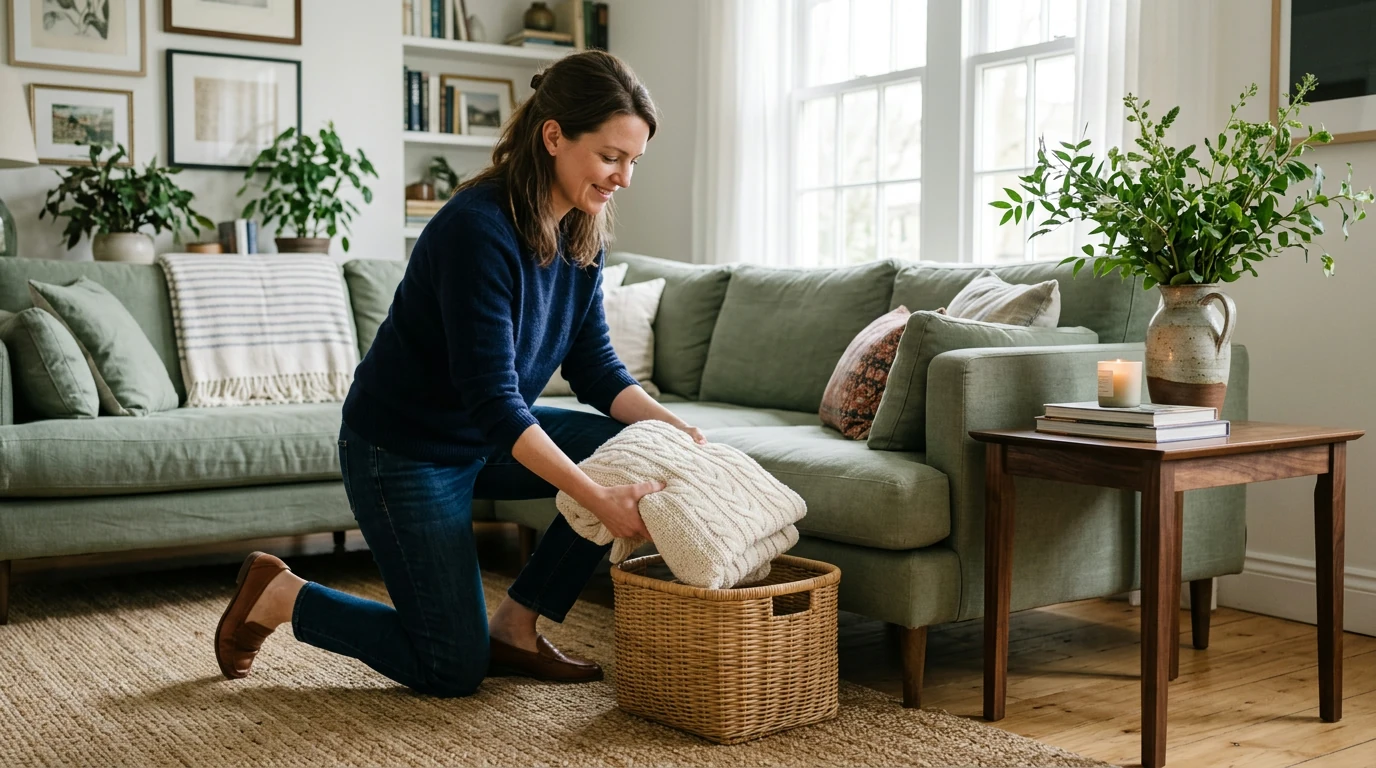
Choose storage by how often you reach for its contents. An open basket may make sense for daily-use items; a box may suit things you use less often. Our team favors a simple rule: if putting something away takes too many steps, find it a more convenient home.

Build a Reset You Can Repeat

For each room, write down its usual clutter spots, where those items belong, and how often you want to reset the space. Our printable home organization and styling checklist is an option if you would rather use a ready-made guide than start with a blank page.

Keep the routine realistic: return everyday items and clear working surfaces daily if needed; review catch-all spots weekly; reconsider what you store or display when a room’s needs change. If beauty products are crowding a bathroom shelf, our Expiry and PAO Tracker offers a separate way to track product dates while you decide what needs shelf space.

Change the System When the Room Changes

If a spare room becomes a workspace, the supplies you use there may need a new home. When an item repeatedly ends up in the same unintended spot, ask whether that spot is closer to where you actually use it. Moving its assigned home may be more effective than repeating a reminder.

Organization is only one part of caring for your home. A tidy room does not replace cleaning, inspections, or repairs; keep those responsibilities on their own schedules.

Start With One Visible Win

Choose one surface or small zone you see every day. Clear it completely, assign homes to the everyday items that land there, and add back only the decor you want to see. Use the space for a few days before changing anything else. That brief trial will show you whether your choices support the room’s real use.

When you are ready to carry that first improvement into other rooms, a printable checklist can help you remember your storage decisions and make the reset a repeatable habit.

FAQ

What does it mean to maintain a home?

Maintaining a home includes daily organization and cleaning as well as longer-term upkeep, such as inspections and repairs. This checklist supports the organization-and-styling part of that broader routine.

What is the average cost of maintaining a home?

There is no single average that fits every home; costs vary with the property’s size, age, condition, and location. Organization supplies are only one possible expense and should not be confused with a budget for repairs and essential upkeep.

Is $300 a good budget for monthly house maintenance?

It may be workable for some households, but the right amount depends on your home and the repairs you may need to plan for. Review your actual upkeep costs rather than using an organization routine as a substitute for a maintenance budget.

What’s the most expensive repair on a house?

Major structural work or replacement of large systems can be especially costly, but the most expensive repair depends on the home and the problem. Regular inspections and timely attention to issues are separate from keeping rooms tidy.

See if How to Maintain Home Organization While Styling Your Home Checklist | Printable Home Decor Guide | Minimalist Organization Planner | Digital Download fits your setup

View product

Was this article helpful?

Yes No
Leave a comment
Top

Shopping cart

×