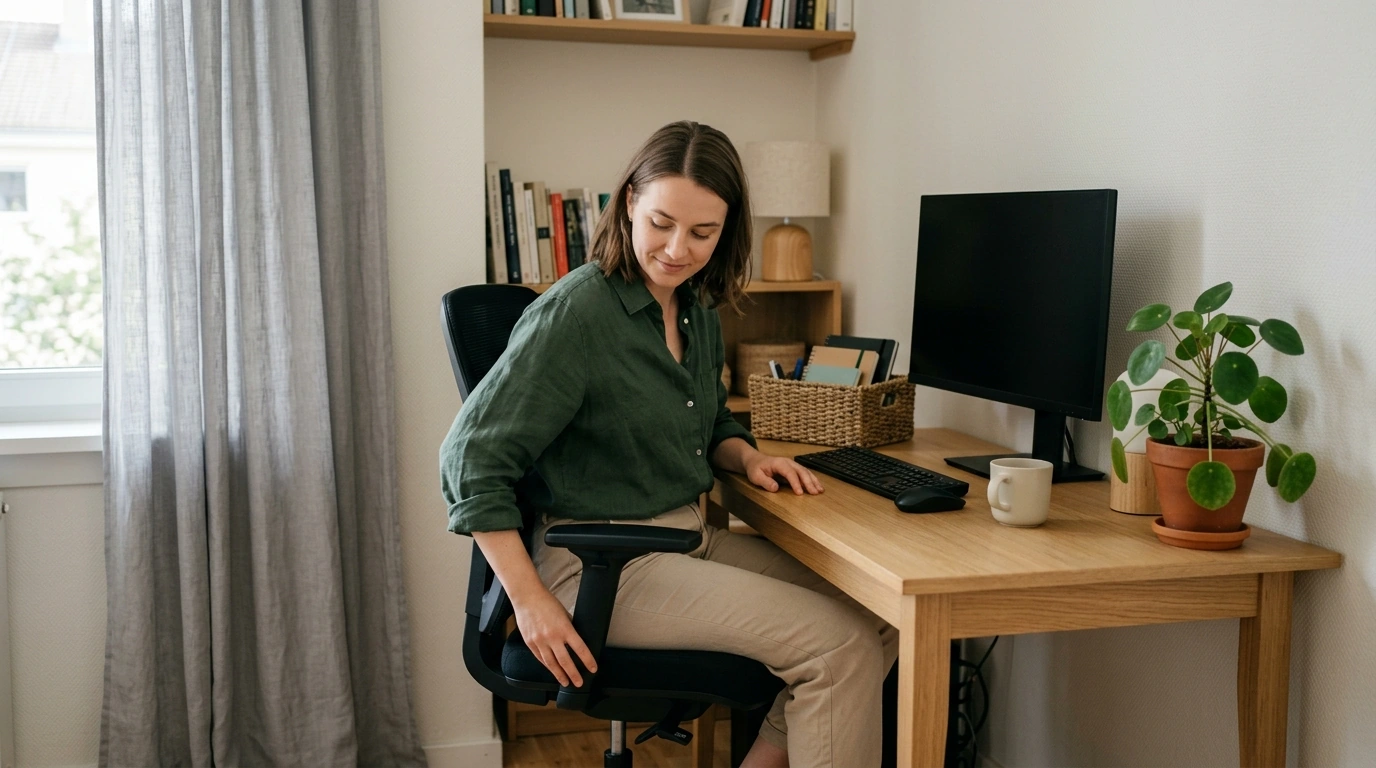
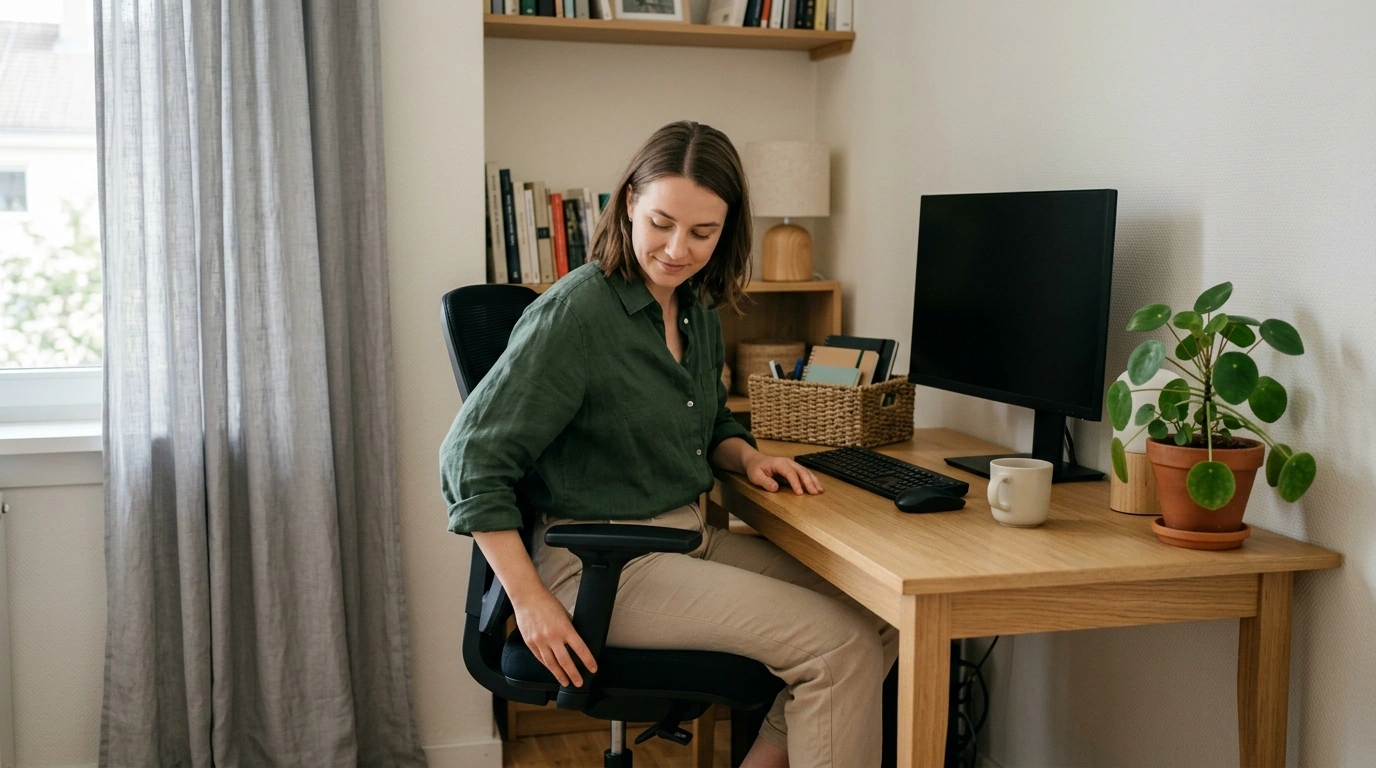
Regular use means you use the space for business on an ongoing basis rather than only occasionally, while exclusive use generally means you do not also use that area for personal activities. For example, a desk in a dedicated corner may qualify, but a kitchen table used for both family meals and work generally does not; special rules can apply to daycare facilities and certain inventory or product-sample storage.
Featured in this guide
Your Ultimate Home Office Guide | Digital Download | How to Organize a Home Office for Productivity, Focus & Style | Printable eBook & Workspace Setup Planner
Your home office can be your principal place of business if you use it exclusively and regularly for administrative or management activities and have no other fixed location where you conduct substantial administrative or management activities for that business. A space may also qualify if you regularly use it to meet patients, clients, or customers in the normal course of business, or if it is a separate structure used exclusively and regularly for your business.
A home office generally qualifies when you use an identifiable area regularly and exclusively for business and it meets an applicable location requirement, such as being your principal place of business. Merely working from home does not automatically make a space deductible, and special exceptions and limitations may apply.
What is the definition of a home office?
A home office is a workspace within or on the property of your home that you use for work or business. For the IRS home office deduction, that everyday definition is not enough: the space must also meet the applicable business-use tests.
See if Your Ultimate Home Office Guide | Digital Download | How to Organize a Home Office for Productivity, Focus & Style | Printable eBook & Workspace Setup Planner fits your setup











Leave a comment